Finding the best skin care products since 2014. Started with a focus on Korean skincare and grew from there. Skincare tips and beauty tips that work, maybe some hamster butts too
Currently, the exciting COSRX news is the expansion of their newer Pure Fit Cica line. Specifically, the cleansing products that will officially launch later this month. I’m very fortunate to have a great relationship with some people at the brand, so when one of my friends there offhandedly mentioned a new cleansing balm(!!!!) I shamelessly asked if I could maybe possibly get some to try. She said yes. Now I’m here to report back.
Because this is the kind of news the world needs in these times.
Ingredient trends come and go (anyone else remember when starfish had a brief moment in the sun?). That’s why I’m so grateful when a trendy ingredient that works well for me ends up getting popular enough to stick around. Like propolis, the featured ingredient in the serums I’m going to compare today. I love propolis. I’m not the only one.
For me, the effects of a good propolis product resemble those of my favorite snail products: calmer skin that bounces back faster after a breakout or reaction. They’re not exactly the same, though (which is one of the reasons I like to include both in my routines). Whereas snail mucin also provides a light but tangible barrier against irritation and moisture loss, the best propolis products give my skin so distinctive that I think of it as the Propolis Glow™. My completely unscientific theory is that propolis achieves this by sealing and smoothing out the subtle irregularities in skin texture so that skin reflects light much more evenly, but who knows? In any case, it’s something I look to propolis to deliver.
Also, we all know how much I love honey in skincare, and brands often pair propolis with honey in their formulas, so it’s win/win.
Some of the products featured in this post were provided by the brands for review. This post contains affiliate links, which allow me to earn a small commission on purchases made through those links. Affiliate links are marked with an asterisk(*).
Last year, as part of their revival of the Miss Flower & Mr Honey line, Banila Co released an updated version of my beloved Miss Flower & Mr Honey Cream, as well as a product called Miss Flower & Mr Honey Rejuvenating Propolis Ampoule. Dreaming of a resurrection of the old and truly magical Miss Flower & Mr Honey Essence Oil, I placed an order of the new ampoule and the updated cream with Banila Co US and eagerly waited for them to arrive.
At around the same time, Glowie Co started carrying products from Beauty of Joseon. Though a smaller brand, Beauty of Joseon gained cult status among fans of Asian cosmetics in the West thanks to a rave review of the gorgeously packaged Dynasty Cream from OG K-beauty blogger (and my close friend for all these years!) Cat of Snow White and the Asian Pear. Beauty of Joseon emphasizes hanbang skincare–that is, skincare with formulas that incorporate ingredients used in traditional herbal medicine–but not just any hanbang, “clean” hanbang.
“Clean” beauty marketing doesn’t interest me, because from where I’m sitting, it’s primarily driven by misinformation and chemophobic fearmongering, but while I don’t find “clean beauty” appealing in itself, I’m also not opposed to trying a “clean” skincare product if the product interests me on its own merits. Beauty of Joseon’s Glow Serum, which features propolis and niacinamide, does. Because propolis and niacinamide. So Glowie Co sent over the serum. For the next several months, I tested both serums, with plans to compare them in a review. This one, actually.
My kitten Jumbo wasn’t around for the testing phase, but she’s helping with the writing and publishing stages.
Banila Co Miss Flower & Mr Honey Propolis Rejuvenating Ampoule vs Beauty of Joseon Glow Serum Comparison Review
It’s been a while since I did an in-depth comparison of two products, and with these two, it was a pleasure. I tested each separately at first, adding the Banila Co serum into my existing routine for one month, then taking it out and giving my skin a break for a week before replacing it with the Beauty of Joseon product, which I then used for a month as well.
For some context, I’m 41, and my skin type is normal, with some dry leanings due to age and heavy tretinoin use. It doesn’t really struggle unless the weather is unusually dry or unless something I’ve used has triggered one of my eczema-like flare-ups, which present as big dry, bumpy, scaly, extremely sensitive red patches along my jawline and on the lower half of my face (so, thank God for the face masks we’ve all grown accustomed to wearing in public). The flare-ups usually last for a few days to a week depending on how quickly I identify their trigger and remove it from my routine and end with the skin on the affected areas violently peeling off in flakes that rival the sheets of skin that come off my feet after a good foot peel. Luckily(?), I got to experience both these misfortunes during my time testing the propolis serums.
(For reference, the product that angered my skin was Clinique Take the Day Off Cleansing Balm. The fact that out of all the products I’ve used for all these years, one as bland and boring as this one would trigger a flare-up is almost insulting. It’s like getting an upset stomach from plain oatmeal.)
Moisturizing skincare and an adorable pet help ease the pain immensely.
Although the Miss Flower & Mr Honey Propolis Rejuvenating Ampoule and the Glow Serum have more than a few ingredients in common, Banila Co and Beauty of Joseon emphasize different claims in their product marketing. Banila Co describes the Miss Flower & Mr Honey ampoule as nourishing and claims it can “help improve skin’s elasticity and overall skin health.” Beauty of Joseon focuses on brightening to such an extent that niacinamide gets equal billing with propolis on the product’s packaging.
Ingredients Comparison
Sometime last year, I was talking to a friend of mine who developed the Skincare Routine app (Android) about simple tech tools I wish I had for product reviews. One of the ideas I had was a way to quickly compare multiple products’ ingredients lists, to identify ingredients they have in common. Because my friend actually knows how to make tools like that, he did, and made it available on the app website. I plugged in the ingredients for both the Banila Co propolis ampoule and the Beauty of Joseon serum.
Both products share the following ingredients: Water, glycerin, 1,2-hexanediol, niacinamide, carbomer, sodium hyaluronate, xanthan gum, melia azadirachta leaf extract, propolis extract, melia azadirachta flower extract, curcuma longa (turmeric) root extract, ocimum sanctum leaf extract, and corallina officinalis extract.
Niacinamide is a no-brainer. It’s in a ton of products and justifiably beloved for its well supported brightening effects and ability to improve skin’s elasticity and barrier function. What I found more interesting were the plant extracts that popped up in both products’ formulations.
Looking at ingredients alone, I found the Miss Flower & Mr Honey Propolis Rejuvenating Ampoule disappointing. I prefer propolis products that use the ingredient in high concentrations, preferably high enough to put it within the top three ingredients on the list. While the product packaging states that it contains 82% red propolis extract, I checked with the brand’s US office and confirmed that what they mean is the extract is 82% pure red propolis (with the remaining 18% presumably being solvent and preservative). The propolis extract doesn’t even show up until the bottom half of the ingredients list, along with the rest of those other intriguing extracts. There’s not much else of note to see, either. It’s too bad. An ingredients list doesn’t tell the full story, however, so despite my meh feelings about it, I still wanted to get it on my face.
In contrast, Beauty of Joseon’s Glow Serum puts propolis extract right at the top of the ingredients list, indicating that propolis extract is present in the product in a higher concentration than any other ingredient. Other extracts also occupy the top half of the ingredients list.
Beauty of Joseon markets this serum as being 60% propolis. As we’ve seen from Banila Co’s clarification of their 82% propolis extract claim, however, the percentage alone tells less than we might expect. I reached out to Beauty of Joseon to find out more. It turns out that unlike the Banila Co ampoule, the concentration claim for the Glow Serum indicates that propolis extract makes up 60% of the product’s total volume.
Ultimately, this makes comparing the two products by their propolis content kind of a wash. Banila Co provided clarity on how much of their propolis extract is actual propolis but not how much of the product is propolis extract. Beauty of Joseon shares how much of the product is propolis extract but not how much of the propolis extract is propolis. It’s a good thing that focus ingredient concentrations aren’t the only way to determine a product’s effectiveness (and generally not the best way to determine it, either). What matters is how the product perform.
Performance
At a very basic level, the Beauty of Joseon Glow Serum and the Banila Co Miss Flower & Mr Honey Propolis Rejuvenating Ampoule are similar. Both are water-based, gel-textured serums with nice hydrating effects. Their lightweight consistencies allow them to layer well over and under other products in a longer routine, and their fast absorption makes them a nice addition to a quicker routine when I want a little extra moisture but can’t afford to add much extra time. Neither product caused any pilling; both sat well under my sunscreen and makeup.
The main point of differentiation for me is in overall user experience.
To my eternal disappointment, the Miss Flower & Mr Honey Propolis Rejuvenating Ampoule bears no resemblance to the Miss Flower & Mr Honey Essence Oil that I miss so, so much. On the plus side, Banila Co does still sell the “honey” ingredient story magnificently.
Even if it doesn’t contain any actual honey.
With a weighty, generously sized (50ml) glass bottle the color of honey and a hexagonal cap, reminiscent of honeycomb, the Propolis Rejuvenating Ampoule’s presentation is designed to spark joy in anyone who loves honey and honey-themed skincare. The product itself smells so good that putting it on my face instantly lights up the most primal pleasure centers in my brain. It’s that soft, just-sweet-enough, floral-tinged honey scent that Banila Co has been deploying in their Miss Flower & Mr Honey products since the middle of the last decade. To my nose, it’s beautifully feminine but refined, not cloying, and it’s just noticeable enough to enjoy without being overpowering. My point is that I find the experience of the product absolutely stellar. I used up the whole bottle happily, even though the actual effects of the product aren’t much to write home about.
As I mentioned near the beginning of this section, both products in this review have nice hydrating effects. The Miss Flower & Mr Honey Propolis Rejuvenating Ampoule left my skin plump and refreshed, with the fresh glow I associate with a good propolis product. Despite the fragrance, it didn’t bother my skin when I was suffering from that horrible Clinique cleansing balm-induced flare-up. That’s about all the Propolis Rejuvenating Ampoule did, though. I can get that from a lot of other products. Like, for example, the Beauty of Joseon Glow Serum, subtitled “Propolis + Niacinamide.”
Speaking of brand storytelling, Beauty of Joseon’s tells a story more compelling than most historical dramas.
Beauty of Joseon’s branding is beautiful, no doubt. Elegant, evocative of court ladies in historical K-dramas, and way more classy (in my opinion) than History of Whoo’s over-the-top Ancient Korean Court Lady Beauty Secrets branding, it hints at the inspiration for the brand’s formulations: traditional Korean folk medicine, aka hanbang.
Though the herbal theme is front and center in Beauty of Joseon’s packaging, however, it’s the propolis that heads up the ingredients list for the Glow Serum. And I actually feel it with this product.
In terms of ingredient storytelling, the Beauty of Joseon Glow Serum falls far behind the Banila Co Miss Flower & Mr Honey Propolis Rejuvenating Ampoule. It doesn’t smell like anything, let alone honey; I know the lack of scent is actually a better choice, making it friendlier for sensitive skin, but as a honey lover, I found it disappointing. There’s nothing in particular in the packaging to reinforce the propolis messaging–it looks just like every other serum in the brand’s roster, except for the color of the box and label and the words printed on the bottom. But when my skin was suffering from its run-in with the Clinique Take the Day Off Cleansing Balm, this serum came in clutch.
In fact, I mourned when I emptied the bottle.
When I’m suffering from a flare-up, I rely heavily on hydrating layers to help minimize the itching and flaking; in that sense, the Banila Co ampoule did help. But the Beauty of Joseon serum did more than just hydrate. When I applied it in place of the Miss Flower & Mr Honey ampoule, it formed a light but more noticeably present film over the damaged, irritated surface of my skin. It’s almost snail-like.
The film performed two functions: it seemed to provide some extra protection against more irritation, and it filled in the little cracks and smoothed out the bumps, temporarily improving my skin texture so I could more easily cover up the redness with a little foundation. Meanwhile, when I switched to the Beauty of Joseon serum, the flare-up started healing more quickly. I started to see improvement by evening when I used it in the morning, and again in the morning after I’d used it in the evening. It’s a less fun product than the Banila Co ampoule but did far more for my skin when my skin needed it.
When my skin is in its normal condition, meanwhile, the Beauty of Joseon Glow Serum delivers a little more plumping and hydration than the Banila Co ampoule, and about the same level of added glow.
On area where I felt dissatisfied with the Beauty of Joseon Glow Serum was the size of the product. It’s 30ml. That’s a pretty standard size for a serum or ampoule product, but I ran through it fast. The smooth gel consistency just begs to be slathered on generously, and I take my skincare all the way from hairline down to nips. It felt like I ran out far too soon. The Banila Co ampoule, at 50ml, lasted a more reasonable-feeling length of time.
This is a pretty easy problem to solve for those who prefer the Beauty of Joseon serum, though: get more. At $17 for 30ml, it’s $0.56/ml. That’s much more economical than $1.04/ml, which is how much the $52 bottle of Banila Co Miss Flower & Mr Honey Propolis Rejuvenating Ampoule works out to, and a genuinely great price for such a well rounded product.
Gotta say I’m really sad that I’m giving a lower rating to the Banila Co ampoule, but it is what it is.
Conclusion
If you’re looking primarily for a honey-themed product that will spark a lot of honey-themed joy and deliver some hydration and glow too, the Banila Co Miss Flower & Mr Honey Propolis Rejuvenating Ampoule is it. But if you need more serious benefits, like accelerated healing and protection from irritation, I find the Beauty of Joseon Glow Serum much more worth the money (and you’ll get much more for your money too). I give the Banila Co ampoule about a 3.5 out of 5 stars; I give the Beauty of Joseon Glow Serum a 4.5 out of 5 stars.
Where can I buy Banila Co Miss Flower & Mr Honey Propolis Rejuvenating Ampoule and Beauty of Joseon Propolis + Niacinamide Glow Serum?
I got the Banila Co Miss Flower & Mr Honey Propolis Rejuvenating Ampoule at Banila Co US.
All is not lost for the Banila Co Miss Flower & Mr Honey revival. I’m disappointed that the ampoule wasn’t what I dreamed it would be, but I still love the cream with my entire body and soul. I’m also currently using the toner and the lotion, and both of those are also working out much better for me than the ampoule. More reviews to come!
The cream was always the anchor of the line for me, anyway.
In the first installment of my Best of 2020 list, I mentioned how the events of 2020 forced me to learn how interconnected all of our pursuits are and how important our habits can be for keeping our heads above water, mentally.
Two of the three favorites in this list are health and wellness products, so before we go any further, I need to give a disclaimer. I am not a doctor, a dietitian, a nutritionist, or a certified physical trainer. The reviews and recommendations I’m making are not a substitute for medical advice. YMMV still applies here. As with my skincare reviews and recommendations, these are based on my layperson research and personal experiences, and on the anecdotes of friends and readers.
With that being said, my 2020 favorites have done a lot for me, and that’s why I’m sharing them. So let’s dive in!
Some of the products featured in this post were provided by the brands for review. This post contains affiliate links, which allow me to earn a small commission on purchases made through those links. Affiliate links are marked with an asterisk(*).
Goli Apple Cider Vinegar Gummies
The US supplement industry is minimally regulated and full of very questionable claims. There’s always some much-hyped alleged panacea making the crunchy blogger and biohacker rounds. To me, apple cider vinegar (ACV) always seemed to belong to that category. It’s hard not to side-eye a supplement whose proponents claim it can do just about anything: control blood sugar (and therefore help manage diabetes), improve digestion, aid in weight loss, lower high blood pressure, reduce the risk of certain cancers, and even make your hair and skin prettier.
We are not going anywhere near any of the medical claims around diabetes, blood pressure, or cancer, because oh my God we’re not going to do that. Neither can we talk about using ACV topically on hair or skin, because I don’t do that. What we can talk about, however, are the more minor but still important ways that taking ACV has helped to optimize my insides.
Optimizing my insides was one of my goals of 2020.
Apple cider vinegar is made by using yeast and bacteria to ferment apples, turning them into vinegar. The fermentation process, as we know from fermentation in skincare, breaks compounds down into smaller and theoretically more bioavailable ones, maximizing the benefits of applying or consuming the substance in question. Fermentation also creates new compounds, some of which may deliver additional benefits. Finally, in unfiltered apple cider vinegar (and other fermented products like kombucha), the “mother”–the little slimy clump of bacteria starter that catalyzed the fermentation process–is a probiotic that might improve the bacterial makeup of the gut microbiome.
This last part is important. Within the more pseudosciencey, snake oily corners of social media, “leaky gut syndrome” and other gut flora-related buzzwords abound, but while the claims made in those shadowy corners are outrageous, there appears to be more than a grain of truth to the idea that gut flora can have a significant effect on health. The ecosystem in our guts appears to influence our ability to digest and metabolize what we consume, which can impact body weight and efforts to change it. Gut flora also affect inflammation and the immune system, with effects potentially reaching as far as the brain.
This is a fairly recent area of research, so there are still more questions than answers. And of course taking a probiotic supplement isn’t going to magically fix everything in our bodies that might be negatively affected by our intestinal ecosystems. That’s kind of the point of this section of best products, though. All or nothing is a counterproductive approach to take, whether in skincare, health, or anything else in life. The accumulation of smaller positive changes makes a bigger difference in the long run than expecting miracles that never happen and giving up when they don’t.
Since I started taking the Goli ACV gummies, however, I have noticed an accumulation of several small changes that add up to…a six-gummy-a-day habit, at this point.
As with anything you’re considering putting on your face or in your body, check the ingredients first!
The most significant change I’ve noticed since I started taking these last year is my digestion. The ACV seems to have moderated my digestive process. Things now move along at a steady, reasonable pace: No sudden stops, no unexpected acceleration. It’s like the Platonic ideal of a four-lane highway. (If you knew my digestive history, you’d see what an impressive difference this makes to my quality of life.) And the digestive process…concludes…in a more pleasant and effortless fashion than I’m used to. Sorry for the euphemisms. This isn’t really something I ever expected to discuss in a public space, much as I and my girlfriends talk about this stuff between ourselves.
Claims about ACV’s usefulness for weight management run rampant online. I’ve even seen some people specifically promoting Goli gummies as an appetite suppressant. So before I explain the next benefit I’ve noticed, I want to make it very clear that I neither use these (or view them) as appetite suppressants, and I don’t think appetite suppressants are a good idea anyway. I do have thoughts on weight management and nutrition, but my thoughts are more along the lines of finding the balance of macros that works best for you and is sustainable for your lifestyle in the long run.
However.
A few weeks after I started taking the Goli gummies, I realized I’d almost completely stopped craving sugary and starchy foods. I’ll still enjoy a cookie or a baked good or some bread once in a while, but the thought of carby treats doesn’t fill me with longing. I find myself not thinking about starchy snacks at all in between meals. I had previously been going through a protracted, months-long, “give me every single chip and bread you can, and while you’re at it, I need two packs of Hawaiian rolls also” phase, so the change was striking.
There’s some interesting circumstantial evidence to support the hypothesis that gut microbes may influence our food cravings, potentially inducing their hosts (us) to alter our diets in such a way that we end up providing the more dominant species in our digestive system with the food that suits them best. The idea that bacteria in our digestive systems may be responsible for our uncontrollable longings for soft, buttery warm Hawaiian rolls is terrifying but does make sense.
I talk about the effects of these gummies pretty often with readers who’ve been taking them and have learned I’m not the only one who’s experienced a reduction in sugar and starch cravings–it’s actually fairly common. With that being said, it isn’t an absolute. Others haven’t noticed a change to what they want to eat. My entirely unsupported hypothesis is that the difference lies in why people crave sweet or starchy foods. Some of us apparently crave them because our gut bacteria tell us to. Others may crave them for different reasons.
Speaking of sugar and starch, I’ve never handled them particularly well. My ideal diet heavily emphasizes proteins and produce, with very little pasta or bread, because historically, carbs make me incredibly sluggish after consumption. This is most likely a blood sugar thing, which is why I found it interesting that after I started taking the Goli gummies regularly, I don’t have that problem anymore after an occasional pasta meal. My energy levels overall feel much more even; I’ve stopped crashing at midday the way I always have.
Again, anyone else’s experience with these will vary, just as everyone’s experience with skincare varies. My experience with these (delicious, delicious) gummies has been overwhelmingly positive, and so has the experience of many people I’ve talked to, but it’s by no means universal. If you are interested, I would suggest giving them at least one bottle’s worth of time to see how they work out for you. If they work out well, you might find your health improving in noticeable ways! And if they don’t, they are at least super delicious and won’t destroy tooth enamel like drinking ACV can.
Get them at Goli.com*; my affiliate code FIDDYSNAILS currently gives 37% off of a la carte orders and 52% off of first-time subscription orders.
Bala Power Ring, Bala Bangles, and Home Fitness
I’ve anchored this section around one particular brand, but in reality, this section is about more than just Bala and their delightfully aesthetic weights (which we will get to in a bit). This section is about the joys I’ve found in taking better care of my body, and how it’s helped me stay on an even keel through what has turned into almost a full year of incredible highs, incredible lows, and much more pressure to perform than I can ever remember experiencing before. This section is also about how overcoming our self-limiting internal narratives can dramatically expand the scope of our lives.
Pretty much my entire life, I’ve thought of myself as someone who hates working out and who would never be a “fitness person.” I was terrible at PE as a kid. I could never climb the rope higher than a few feet or run a mile for a fitness test without either cheating, finishing last, or feeling like I was going to die afterwards. One of my least favorite childhood memories is getting hit right in the face with a kickball. I only ever went to the gym as an adult if dragged, and my resentment about being dragged to the gym played a substantial role in at least one breakup.
All this is to say that no one was more surprised than me by the enthusiasm I found myself bringing to home workouts. I discovered that I love fitness so much I’ve started talking about it on my Instagram as well. I have an entire story highlight for workout posts, and hearing friends and social media followers tell me that I’ve inspired them to start working out makes me just as happy as being told that I’ve inspired someone to wear sunscreen every day or to wash their face every night. What started as an occasional half hour of gentle stretching to alleviate back and shoulder pain has turned into regular power yoga, barre, Pilates, and HIIT workouts and an entirely new and more rewarding relationship with my body.
No sugarcoating: I originally branched out from my occasional restorative yoga practices into other workouts out of sheer vanity. One of the reasons I love skincare is the feeling of control it gives me over the appearance of my skin, and one of the reasons I love fitness is the feeling of control I’ve now gained over the appearance of my body. I might have been born with the stereotypical East Asian concave butt genes, but thanks to squats, lunges, donkey kicks, gradually increasing weights, and copious amounts of protein, I no longer have a concave butt in jeans.
Which brings us to hyper-aesthetic fitness brand Bala and the weights they gifted me last year.
You might not even know they’re weights unless you were already familiar with the brand.
When it comes to skincare, I freely admit that I need more than just effectiveness and utility in my products. I need a sense of joy, some fun factor that will keep me coming back for more even on days I wouldn’t otherwise feel like putting in the effort. In skincare, that fun factor sometimes comes from an interesting ingredient story and sometimes from a product’s aesthetic appeal or sensory experience. In fitness, I find some of it in the Bala Power Ring and Bala Bangles that I add to my workouts.
It may look like a steering wheel (and you can hold it like one for certain movements), but the Bala Power Ring is actually a 10 lb cross between a dumbbell and a kettlebell, and made to fit easily in to existing workout routines. I hold it in front of me for squats, lunges, and the endless variations on the plié that make up some barre classes: it adds just enough extra weight to increase the difficulty level of a familiar workout, and the act of holding it up helps keep my core engaged, which has improved my balance by leaps and bounds. The Power Ring’s slim profile makes it easy to lay on my chest while I’m doing core work on the floor, too, making every crunch-type move count far more. The possibilities are almost endless. While I do wish Bala had heavier versions now that I’ve advanced far enough in fitness to want heavier options, I’ve recently realized I could probably manage holding two at a time instead of one if I really want to crank up the resistance.
Similarly, the Bala Bangles wrist and ankle weights are extra-cute ways to add a little extra challenge to bodyweight workout routines. They only range from 0.5 to 2 lbs right now, so I don’t rely on them for serious strength building (I have heavier ankle weights to stack on top of them for that), but I almost always wear them for barre, yoga, and even HIIT routines, to push a little bit harder than I could without them. They stay put on me even during squatty jumpy large range of motion cardio bursts, and they’re easy to keep clean and non-smelly thanks to the silicone outer coating. Plus, their cuteness makes me happy, and they now also come in lavender. Which I am extremely tempted to get.
As I mentioned, I started working out for vanity. It didn’t take me long to love exercise for the sake of exercise, though. The sense of accomplishment and growth is addictive. It feels incredible to be able to do something easily that used to feel completely impossible, and knowing that growth is possible transforms the burn of an intense workout from a form of mild torture into something that I look forward to and actively seek out.
Don’t get me wrong. I like having a hint of a booty, and I really like having defined shoulders and upper arms. But I love being able to carry a full laundry sack one-handed, turning down help when I’m walking to my door with both hands full of heavy groceries, and flinging a full 13 gallon kitchen trash bag up and over a gate and into the dumpster without a hint of struggle. The knowledge that I did that, I made my body capable of doing these things, has been as positive for my mental health as the actual work has been for my physical health. Especially in a year when so many things got put on hold and so many normal aspects of life felt stagnant or nonexistent, growing and moving forward in something as tangible and ever-present as my physical form were priceless.
It’s not something I suggest everyone take up to the extent I did. I’ve been privileged enough to work from home through the pandemic and to be able to afford to subscribe to several fitness apps (current favorite being the Peloton app for its huge library of fun, easily filtered classes, which include Bon Jovi power yoga). But in conversations with friends and readers at a variety of different ability and commitment levels, we’ve all agreed that anything is better than nothing. Even seemingly minor growth and improvement act as both reward and powerful motivator. Some of my friends have made significant overhauls to their lifestyles after we started sharing our workouts with each other and cheering each other on. Others are on their way. And all the lifting, stretching, burpee-ing, and debriefing afterwards has brought us closer together in a very positive way.
Aquis Prime Water Defense Prewash
Finally, I’m going to make the world’s most awkward segue and bring the conversation back to beauty, because I have one more item that a) didn’t fit with the skincare theme of the first part of the Best of 2020 series, and b) didn’t fit the length of that post, which already clocked in at over 5,000 words. ACV gummies and fitness accessories deal with the body, and hair grows on our bodies, so here’s my favorite new haircare product of the last year. Also, this fits the “head above water” metaphor I used at the beginning of this post.
Good way to lighten the mood back up after that lecture about fitness, right?
I love Aquis microfiber hair turbans*. I love them so much that I own three, only one of which was a gift from the brand (and that one was gifted after I’d already purchased my first one anyway).
When I bought my first Aquis turban, it came with a mini bottle of something called a Water Defense Prewash, which seemed like a pointless extra step to me, but which I figured I’d try out anyway, given that it was free and already in my possession.
Hair is weaker and more prone to breakage when it’s wet, which can be a problem considering how we have to get our hair wet to keep it clean on a regular basis. As my hair gets longer due to the whole “salons are closed and I refuse to trust myself to cut my own hair so I guess I’ll just wait, growing more and more Cousin It-like by the day” thing, I’ve noticed it breaking and snapping more often after a wash. The Water Defense Prewash is supposed to protect hair from that.
The main ingredient in the product is amodimethicone, which my friend and legitimate beauty chemistry expect Michelle Wong at Lab Muffin Beauty Science has declared her favorite hair ingredient. As Michelle explains, amodimethicone selectively attaches to more damaged sections of hair, forms a durable protective film, yet resists buildup, resulting in increased softness, shine, and strength, without a reduction in volume.
And there’s plenty of it in here.
To use, you spray the product on hair and brush it through a few minutes before getting in the shower. (I usually do this, then do my lash extension shampoo and cleansing oil steps, then start the shower and get in when it’s warm). After that, you shampoo and condition as usual.
Hair can show the effects of the products used on it more or less immediately, and oh my God. My first use of the Water Defense Prewash was a revelation. I could feel the extra silkiness in my hair when I was rinsing. That silkiness persisted through a quick comb-through with a wide-toothed comb after my shower. It then lasted through the next day, all the way to my next wash. My hair felt smooth and soft and looked noticeably shinier than usual. And that is why I now own a very large bottle of this stuff.
It isn’t cheap, so I don’t use it every time I shampoo. I reserve it for a couple of times a week, particularly for shampoos after which I’m planning to heat style my hair. Even though I don’t use it every night, however, the breakage protection lasts. I almost never have to cut hair off of my vacuum’s roller brush anymore, the hair mice in my shower drain take several times longer to grow than they used to, and my hair overall looks and feels much healthier at all times.
I’m publishing this post on Lunar New Year’s eve, which feels like a bonus new beginning for a year that has already felt much more hopeful than the last. I plan to keep on enjoying the products I talked about in this post and the previous one, but I’m also looking forward to seeing what new things I find to love this year.
You know how I know 2021 is going to be a better year than 2020? Because it’s January and I not only remembered that I want to write a best of 2020 roundup, but am actually doing it instead of pushing it aside for so long that it becomes pointless to even publish it (who wants to read a 2020 roundup in May 2021?). That’s why.
This will be a broader Best Of list than I’ve done before, because one of the lessons I learned in 2020 was how interconnected all of our pursuits are, and how important all of them can be for the maintenance of our overall mental health and well-being. During normal times, it’s easy to forget how much our mundane everyday decisions can affect us. During abnormal times, their impact becomes clear.
One thing I won’t be doing in this year in review is going over the worst of 2020. Our personal worst-of lists are no doubt a mile long and include a lot more than just some skincare duds. I’d rather start out positive. So let’s get down to it–my picks for the best skincare, haircare, health, and fitness products that I tried in 2020!
Some of the products featured in this post were provided by the brands for review. This post contains affiliate links, which allow me to earn a small commission on purchases made through those links. Affiliate links are marked with an asterisk(*).
The Best of 2020: Skincare
I’m no stranger to the use of skincare as a tool for managing mental health–I literally wrote a book about it. And since I already have a well established practice of using skincare as part of my self care routine (and I work from home anyway), very little changed about it this year, even as we moved into virtual schooling and shelter in place orders.
The fact that my routine didn’t change did show me something important, though. Throughout this year, I’ve been thinking hard about how beauty content often inadvertently reinforces cultural beauty standards–it feels almost impossible to completely strip that messaging out of our content. I struggle with walking the fine line between providing information that readers can use to maintain or alter their appearance if they choose to, and accidentally signaling that I believe everyone should (which I don’t agree with at all).
Privately, I also struggle with the question of whether I’m really doing all of this for my own enjoyment, or if there is still a substantial part of me that adheres to my routine to better fit into those cultural beauty standards. Whether I’m doing this for myself or whether I’m doing it for the gaze of others, in other words. The fact that I continued to enjoy my routine over months of hardly ever seeing another person helped answer that question. I am doing this for me. That felt good to learn. Anyway, here are the products.
COSRX Advanced Snail Cleanser, Dual Essence, and Sheet Masks
If you’ve been reading my blog for a while, you’ll know my love for COSRX runs deep and long. Their Advanced Snail 96 Mucin Power Essence and Advanced Snail 92 All In One Cream occupy permanent spots in my routine; I don’t want to imagine doing skincare without them. This love for those products actually made me fret more than I would have otherwise when I learned about the new additions to the COSRX Advanced Snail line: a cleanser, a brightening “dual essence,” and sheet masks.
I should have been happy!
COSRX Advanced Snail Mucin Gel Cleanser
I worried most about the cleanser. The selection of low pH cleansers has come a long way since I first got into skincare, but I still get excited when I find another good one and disappointed when one doesn’t work out.
According to both the brand and the pH strips* I use, the Advanced Snail Mucin Gel Cleanser is about a pH 6.5, which puts it a little higher than some like, but low enough for my skin and tastes. In place of SLS and SLES, it uses a blend of milder surfactants like coco glucoside to further minimize the risk of drying out skin. And, with its dense, slippery gel consistency, (for my skin) perfectly balanced cleansing powers, and crisp citrus scent, it’s an actual joy to use. I look forward to use it every morning and every evening. I’ve said it before: I find joy in a cleanser exceptionally important, because on days when I feel so low that I don’t even want to wash my face, having a cleanser I look forward to using is what gets me to do my routine. As a final bonus, the generously sized tube will last me a long time, even with twice-daily use.
Back in 2016, COSRX launched their first sheet mask, the Holy Moly Snail Mask. Though not without its flaws, most notably the so-so mask material that interfered with its ability to cling snugly to skin, the Holy Moly Snail Mask delivered exceptional moisturizing effects. I liked it, but not enough to keep it in my regular rotation. Last year, the brand released new propolis*, centella, and hydrating sheet masks, but while I enjoyed all of those, I found the $6 single mask price too high to comfortably recommend them–lots of other masks offer comparable quality for less than half that price.
It’s okay, I figured. COSRX doesn’t really need to make amazing sheet masks too. Lots of other brands make great sheet masks but not great daily use products; there’s no point expecting one brand to do it all.
Then came the Advanced Snail Mucin Power Sheet Mask.
Oh my God. These masks are what I originally hoped the Holy Moly Snail Masks would be. Soft, pliable sheets absolutely coated in a thick, viscous gel essence that feels immediately calming and protective on skin. I’m almost done with my second box of these (COSRX sent me my first box, and I went and hastily ordered myself a second box before I’d finished the first). They come in especially handy when my skin feels irritated or compromised. They’ve played a key role in quickly calming the eczema flare I recently suffered along my jaw. They leave my skin smooth, calm, even, and absolutely bursting with moisture all the way through the next day. I’m also pretty sure regular use of these masks is why the guy that works at the smoothie stand near my place keeps calling out to me with compliments about my skin when I walk by.
The Advanced Snail Mucin Power Sheet Masks are a little big for my face, but that’s quickly remedied with a few snips of my sheet mask scissors*. Their tea tree oil scent is a bit antiseptic, but the TTO may also help further calm inflammation, so I’m willing to live with it. And at $20 for a box of 10, these are the right price and came at the right time.
I finished my first bottle of the Advanced Snail Radiance Dual Essence without regrets and without plans to get any more until the weather warmed up. Then my friends over at COSRX decided to send me a fresh shipment of products. Namely, the entire complete Advanced Snail line. This meant a second bottle of the Advanced Snail Radiance Dual Essence fell right into my lap.
Anyway, I took the second bottle of the dual essence out of the box to take some photos of it. When I finished, instead of putting it back in the box and the box back in my beauty closet as planned, I unthinkingly put the bottle into the basket that holds the opened products currently in my daily rotation. That same night, doing my routine, I unthinkingly used it on my face. I didn’t realize my mistake until a step or two later. At that point, I figured, welp, already opened it, might as well keep using it. And so it remains in my routine, and I can’t say I’m mad about that at all.
At any given moment, I have half a dozen or so moisturizers in my active rotation. You might assume that’s because I’m not very picky about moisturizers and will use anything that has “cream” in the name. If you assumed that, you’d be wrong. I have a large selection of moisturizers open because I’m very picky about them on a day-to-day basis. I’m especially exacting about my choice of day cream. My skin fluctuates from normal to dry-ish depending on my recent actives use, and our humidity levels fluctuate from pleasantly moist to mummification-level dry, depending on whether the Santa Ana winds are blowing, so I give myself several options.
The cream I choose to use in the morning must do the following:
Deliver enough humectant hydration and emollient moisture to keep my skin soft and comfortable all day
Dry down quickly, so I don’t have to wait 30 minutes before I can put my sunscreen on, since sunscreen needs at least 15 minutes to dry before I can then proceed with makeup
Ideally, my morning moisturizer will also contain some ingredients that provide benefits beyond simple hydration and moisturization.
107 Everyday Plump Hydro Rich Cream does all these things and does them beautifully.
In a charmingly minimal jar that stacks well with all the other creams in the baskets.
107 founder (and my dear friend and provider of many care packages stuffed full of terribly addicted Korean snacks) Chloe Kwak developed the brand around its signature ingredient, the traditionally brewed 5- and 7-year aged Hanega vinegar that has been made by her partner’s family for over thirty generations. Using the vinegar topically had helped clear up Chloe’s eczema, which inspired her to incorporate it into a line of products suitable for her own dry and sensitive skin.
A few years and one rebranding later, here we are, with a moisturizer that actually fits all of my daytime criteria while also providing enough richness to make it suitable for my nighttime routine as well. It’s also absolutely saving my face right now as I nurse it through an eczema flareup.
This glossy, luscious-feeling cream melts softly into my skin, quickly replenishing hydration and laying a veil of deceptively light-feeling moisture on top. Despite how quickly and thoroughly the Everyday Plump Hydro Cream sinks in, that moisture lasts all day, even under alcohol-heavy sunscreens, even on extremely arid days, and even under alcohol-heavy sunscreens on extremely arid days. It’s one of the few moisturizers that doesn’t burn when I’m having an eczema flare-up–which I’m going through right now–so I lean on it frequently when my face is pissed off. It’s also rich enough for me to enjoy using it at night, when I like a heavier final layer over my serums and sheet mask.
At first glance, the Everyday Hydro Plump Cream can seem a little bland and boring, primarily (at least for me) due to the lack of scent. But closer look at the ingredients list reveals not just moisturizing ingredients to baby my skin right now, but also a number of more exciting ingredients that might help to keep it baby for longer.
107 claims that its signature ingredient, traditionally brewed vinegar fermented for at least seven years under extremely exacting conditions, helps strengthen skin via its amino acid content. It also contains some naturally occurring alpha hydroxy acid content as a result of the fermentation process. In this cream, I don’t expect any notable exfoliation from the AHAs, but their secondary function as a humectant is always welcome. And Hanega Vinegar ferments their vinegar with an array of traditional medicinal herbs more commonly associated with luxury brands like Sulwhasoo.
Most exciting for me is the fermented ginseng root. I’ve long been a fan of ginseng for the effects that a good ginseng product has on my skin: my favorite ginseng serums and creams noticeably increase my skin’s elasticity and appearance of density while evening out and brightening up my skin tone so that I wake up looking like I already have BB cream on. Fermentation, meanwhile, may make the beneficial compounds in the fermented ingredients more accessible to skin by breaking them down into smaller components. So the fact that the Everyday Plump Hydro Cream has fermented ginseng root extract in it really gets me going.
Short-term use of this cream delivers the expected hydrating and moisturizing effects. After using it almost exclusively for several weeks at a time, I also notice an increased bounce and overall glow to my complexion, even when I’ve been skipping most other steps to avoid potential irritation. I’m on my second jar now and see no reason to stop using it, basically, ever.
Missha Time Revolution Red Algae Treatment Essence
I think I would have been a lot more upset about the reformulation of my beloved Hada Labo Gokujyun Premium Lotion if Missha’s Time Revolution Red Algae Treatment Essence hadn’t fallen into my lap at the perfect time. This hydrator dominated my skincare routine (and my skincare thoughts and skincare dreams) for much of fall and winter 2020.
Also, that is a sexy, sexy bottle.
Per Missha, this product contains only one ingredient: red algae extract, fermented for 100 days.
The single-ingredient concept, which I talked about a bit for Vogue, is a good introduction to the subtleties of cosmetics ingredients. While this extract can be listed as a single ingredient, in reality it will contain several components: the actual biological matter extracted from the source plant, the solvent into which the biological matter is extracted, and a preservative. (This is separate from the preservatives you’ll find in the ingredients lists of a finished product. The preservative included in the extract is there to preserve the extract itself in its status as a raw ingredient, while the preservative system in a finished product is included in proportions calculated to preserve the formulation as a whole.)
Products like these are a gamble. With such a high concentration of the featured ingredient, it could be spectacular for those whose skin responds well to that ingredient. But it could also be a total bust that’s hardly any different from water, especially if the extract itself isn’t particularly potent.
The Red Algae Treatment Essence is spectacular for me. Thicker than water, this scentless and incredibly slippery liquid glides over skin like silk and sinks in almost immediately. It hydrates my face almost as much as the Hada Labo Gokujyun Premium Lotion, which was basically a sheet mask in a bottle for me, and it leaves the surface of my skin super smooth and bouncy. It also layers well. I’ve patted on three and even four layers on very arid days without noticing any stickiness or residue buildup. My point is that it performs like a hydrating toner but with the added textural and potential antioxidant benefits of a sea kelp serum. I really, really love seaweed extracts, and effects like what I get from this essence are why.
On their website, Missha actually does list the extract components separately, which I find very helpful:
Missha Time Revolution Red Algae Treatment Essence ingredients:Chondrus crispus extract, water, glycerin, 2,3-butanediol, 1,2-hexanediol
Oh, NIOD. Again with the wordy, self-consciously Sciencey™ product names.
As much as the Long Science Names annoy me, though, I can’t deny that when NIOD’s products work for me, they work amazingly well. The Fractionated Eye Contour Concentrate (FECC) does.
It’s a “hyper-concentrated bio serum for the eye contour” that “combines 28 clinical technologies.” Okay.
I’ve tried quite a few eye serums over the years, but until last year, the only one I’d ever used that had given me results noticeable enough to make me want to keep using it was the Amorepacific Intensive Vitalizing Eye Essence. And then the NIOD FECC came into my life to blow me away (slowly).
Deciem sent me this product at my request: one of my longtime Instagram followers and DM friends had recommended it to me, with the caution that it had taken him a fairly long period of use before he saw results. My experience was similar. I used the FECC morning and night for two or three months before I noticed any changes. Once I did, though, I was hooked.
The FECC is a very thin, runny liquid with a slightly more oily feel than water; I dab it around my eyes with my ring finger immediately after cleansing, then follow up with my eye cream (which is still the COSRX Advanced Snail 92 All In One Cream).
Most of the other serum-type eye treatments I’ve tried have a noticeable hydration component. This allows them to quickly plump skin up, for an immediate but temporary improvement in surface smoothness and firmness. NIOD FECC does not do this, which meant that my first few months of use required a very large leap of faith. If I hadn’t had my friend’s recommendation in the back of my mind, I don’t think I would have continued past the second month.
Thank my friend for the fact that I did, because around the third month, I noticed that my eye area had become visibly brighter and less puffy. A couple of people I know in person commented (unprovoked) that my eyes seemed bigger. I noticed an increased tightness and general lifted look as well. I took a month or so off in between my first and second bottles and saw a marked difference during that time. NIOD FECC under COSRX snail cream has become my holy grail eye combo: the FECC lifts, depuffs, and brightens, and the COSRX snail cream smooths and moisturizes.
The FECC ingredients list is incredibly long and contains several categories of beneficial ingredients. A couple of note are acetyl hexapeptide-8 and acetyl tetrapeptide-5, which it shares with my beloved NIOD Copper Amino Isolate Serum 2:1 (CAIS2). Niacinamide and a couple of forms of vitamin C help with brightening. Also of note are the glycolic and lactic acids in the formula. Typically, I’d caution against using acids around the eyes, but here the acids are so far down in the ingredients that I assume they only contribute humectant effects, not exfoliation. Below, I’ve bolded some of the key ingredients.
NIOD FECC isn’t cheap. Since I only need one or two drops to do my eye area every time, however, the little 15 ml bottle lasts me almost an entire year.
Sulwhasoo First Care Activating Serum (4th gen) and Timetreasure Invigorating Sleeping Mask
If I remember correctly, I’ve been using Sulwhasoo products since 2016. Not a year has gone by since then that I haven’t loved some product from the brand. 2020 was no different, except that I had more time on my hands to enjoy their products but fewer opportunities to go out into public to show off the results.
Sulwhasoo First Care Activating Serum (4th gen)
Sulwhasoo doesn’t release new products as often as many other brands. They do reformulate products regularly, however. In my experience, most of their reformulations preserve the original feel and performance of the product, although in a few casesSnowise foam cleanser they…don’t.
Luckily for me, the fourth iteration of the First Care Activating Serum, which I believe I first tried in its second or third incarnation, does retain everything I originally loved about the product. Intended for application as the first step after cleansing, this super lightweight gel serum speeds up absorption of whatever products I apply afterwards and, over time, brings a soft rosy glow to my skin, making me look more alive from within. That glow goes away every time I take a break from the product for longer than a week and always comes back when I reintroduce it to my life.
Sulwhasoo US will be releasing the fifth generation of this product soon–I just started it via this year’s gorgeous limited edition Lunar New Year bottle–but for now, the fourth gen version that I’ve been happy with all year is still available on their site.
But seriously. Look at the beauty of the LNY bottle.
If you’re dying to get the new one in the breathtaking 120 ml red bottle, you can find it for $120 at Nordstrom*.
Last year’s LE bottle was lovely too.
Sulwhasoo Timetreasure Invigorating Sleeping Mask
There are a few different levels of love that I feel for a product. If I actually finished my first full-sized container of it, then I loved it. But if I finished my first full-sized container of it, tried to move on, and found myself longing for it constantly until it returned to my life, then I really loved it.
I really love Sulwhasoo’s Timetreasure Invigorating Sleeping Mask. Which is kind of unfortunate, because that is a $200 sleeping mask, but there you go. I can’t help how I feel. This smooth, concentrated-feeling cream imparts an overnight brightness and translucency to my skin, as well as the same kind of healthily rosy glow I get from the First Care Activating Serum. But beyond that, it also gives my skin a creamy density and more fine-grained appearance than usual. It’s an effect that’s hard to describe with words but unmistakable when seen in person. I talk more about the effects, and about the multitude of extracts in this product, in my full review of the product. Here I’ll just say that I was very happy to see it included in a Timetreasure gift set that the brand sent my way around the holidays.
A gift set that costs more than what many people pay in rent every month.
As we get to the end of this list, in the wake of my love for a $200 cream, I’m incredibly relieved to finish this off with two products that gave me distinct Sulwhasoo vibes, sometimes at distinctly not-Sulwhasoo prices. I got lucky this year to stumble into an opportunity to review Sekkisei’s Treatment Cleansing Oil and Emulsion, and I’m glad I did. I doubt I ever would have tried them otherwise.
Sekkisei Treatment Cleansing Oil
For years, I’ve had two great cleansing oil loves. Both are medium thickness oils that massage easily over skin, break up even stubborn waterproof makeup and water-resistant sunscreen without much effort, emulsify well, and rinse off cleanly. On the more budget-friendly end of the spectrum is Japanese drugstore brand Hada Labo’s Gokujyun Cleansing Oil, a no-nonsense option that I don’t feel bad about also using to clean my sunscreen puffs and makeup brushes. On the higher end of the spectrum is Sulwhasoo’s Gentle Cleansing Oil, which enhances the cleansing experience with fun herbal additions and a beautiful scent.
Sitting right between them is Sekkisei Treatment Cleansing Oil, which costs a few dollars less than Sulwhasoo’s for a much larger bottle of product but retains a sense of luxury and indulgence thanks to Sekkisei’s choice of skin-friendly herbal extracts and distinctive scent. I’ve had my bottle open for several months now and am not even halfway through with it, despite using it for more than just my face. After I eventually finish this one, meanwhile, I have a second bottle to open and expect I’ll be perfectly happy to do so instead of moving on.
Sekkisei is no longer at Costco as far as I know, but you can now find them at new K-beauty online store Plump Shop. I happen to know the team behind Plump Shop and can vouch for their products’ authenticity and their reliable order fulfillment.
Also, the pretty pretty blue bottles add some visual enjoyment to my routine, too.
Sekkisei Emulsion
I feel even more strongly about the Sekkisei Emulsion than I do about the Treatment Cleansing Oil, because this is one of only two emulsions I’ve ever loved. Two pumps covers me from hairline all the way down my chest, and the milky liquid moisturizer packs a surprising amount of hydration with a lightweight and totally non-greasy finish. I find this unbelievably useful on mornings when I want extra hydration but don’t have the time or energy to add a toner or essence to my routine. It does have a noticeable initial scent of alcohol as I put it on, but the scent fades quickly, and the fragrance of the product is otherwise pleasant to me. As an extra bonus, the Sekkisei Emulsion sits really well under the sunscreens I like and dries down so smoothly that it almost doubles as a makeup primer. It’s good stuff.
My 2021 skincare routines are getting off to a gorgeous start.
It’s the last day of January, and it took longer to write this post than I expected: the upcoming release of my book and my mask line has been taking most of my time and attention. But I’m still testing out and using products just like I always do, and I’m looking forward to sharing more with you guys this year! Let’s hope 2021 brings some new bests to our personal lists.
January 7, 2021 update: This product is being discontinued and reformulated, so if you love it, I suggest stocking up now. Purchase links are at the bottom of this post!
December 22, 2020 update: It has come to my attention that I only gave this sunscreen a 3.8 out of 5 stars. Considering I’ve been using it nonstop since the time of this review and have gone through a staggering number of bottles of it, I’m raising my rating and updating my conclusion. New text is in bold below!
The last time I reviewed a Missha sunscreen, it didn’t go well for either me or the sunscreen. Luckily, I had managed to block those bad memories out for long enough that when I was panic-shopping Amazon for a last-minute sunscreen replenishment a few months ago, I was willing to give the readily available Missha All Around Safe Block Aqua Sun Gel a shot. I’ve emptied a handfuldozens of tubes of this sunscreen now, and I’m sure I’ll empty more in the future. Here’s a review.
Freshly shot: Yet another two new tubes of the sunscreen I’ve loved the longest and the most.
This post contains affiliate links, which allow me to earn a small commission on purchases made through those links. Affiliate links are marked with an asterisk(*).
Purpose: Missha All Around Safe Block Aqua Sun Gel is an organic (“chemical”) sunscreen product with high UVA and UVB protection capabilities, meant for everyday use (as opposed to sport or in-water use).
Best suited for: Normal or oily skin without alcohol or fragrance sensitivities.
Do not use if: Your skin is prone to dryness or you are sensitive to alcohol, silicones, fragrance, or anything else in the ingredients list.
When and how to use: Apply as the last step in your morning skincare routine before makeup. Take a generous amount (1/4 tsp is the general recommendation, based on the dimensions of a large male face; I do a bit more than a nickel-sized amount of product, or three fingers’ length) and spread evenly over face. I highly suggest using my Three Fingers method, as seen in the IG video below, to achieve the smoothest and most even coverage. Let sunscreen set for 15 minutes before applying makeup.
Notable ingredients: Since this is a sunscreen review, I’ve highlighted the UV filters in the ingredients list typed above. The Missha All Around Safe Block Aqua Sun Gel uses exclusively organic, aka “chemical” filters.
It’s often said that chemical filters are more irritating to skin than inorganic/mineral/physical filters, but that, like so much else in skincare, is nowhere near universal. CosDNA doesn’t flag any of the filters in this sunscreen as known irritants. Personally, my skin has never had an issue with chemical filters. Many other happy chemical sunscreen users feel the same way. Others may find their skin can’t tolerate chemical filters, or at least some chemical filters. As with all skincare, YMMV.
(If you’re pretty new to skincare and find the idea of using a “mineral” sunscreen more attractive than a “chemical” one due to the descriptors, however, please don’t let the terminology put you off from trying a chemical sunscreen out. Everything is chemicals. Also, organic/chemical sunscreens tend to achieve levels of cosmetic elegance that physical/mineral sunscreens can’t match.)
Of more concern in the ingredients here is the alcohol denat. that occupies the third slot in the list. My personal stance on alcohol in skincare is that as long as your skin isn’t sensitive to it, it’s generally fine but can be problematic if it’s quite high up in the ingredients list. Here, it is up quite high in the ingredients list.
In a sunscreen like this, the alcohol is presumably present to thin out the texture of the product and speed up drying time. This much alcohol can be drying, however. As noted in the “Do not use if:” section above, if you have dry skin, you may want to pass on the Missha Aqua Sun Gel. The Aqua Sun Gel also contains silica, another drying ingredient.
There are a number of botanical extracts lower in the ingredients list. These may add some extra antioxidant protection to the sunscreen, though I don’t really consider them that notable. They’re probably not present in significant amounts.
Sure wish I’d noticed the cobweb on that planter before I took this photo.
Performance
In K-beauty jargon, a sun “gel” sunscreen has a lighter and more watery consistency than the denser, heavier sun creams. Many of my favorite sunscreens are gels. I appreciate their weightlessness and how quickly they set. Missha Safe Block Aqua Sun Gel is the epitome of a sun gel. It comes out of the tube a bit runny, spreads easily over skin, and dries rapidly to a totally clear and neutral finish.
Dispensed from tube.
Spread onto skin.
After a few minutes.
No white cast, and, after about 10 minutes or so, no shine. In fact, by the time I put makeup on, I can’t even feel any sunscreen on my skin at all. It disappears so completely that sometimes I get nervous. Did I put on enough? Should I put on more? A second layer? Usually I don’t, but the thought sometimes crosses my mind.
The soft matte finish lasts all day for me, and since the sunscreen practically vanishes after application, it doesn’t interfere with my makeup, either.
That total lack of oily residue or shine comes with a drawback, though. I bet you can guess what it is.
Missha All Around Safe Block Aqua Sun Gel can be quite drying. There are sunscreens that let me totally skip moisturizer in the morning, like the A’Pieu Pure Block Daily Sun Cream* that I reviewed at Beautytap a while back. The Missha sun gel is not one of those sunscreens. I tried it on a bare face one day and regretted it half an hour later, as my face began slowly tightening into a desiccated husk. Putting it on over a purely water-based moisturizer doesn’t work much better, either.
I had to experiment a bit to find a moisturizer of just the right weight to layer under it: light enough to dry down quickly and cleanly, but with enough fatty content to buffer my skin against all that alcohol. COSRX Advanced Snail 92 All In One Cream works well. Lately I’ve been using the SEKKISEI Emulsion under it, and that works perfectly.
A typical morning routine for me: Snail, sunscreen, Sulwhasoo.
The Missha All Around Safe Block Aqua Sun Gel smells strongly of alcohol mixed with a sort of sharp, artificial floral fragrance. The alcohol is definitely the dominant note. The scent fades by the time the sunscreen is dry, but I found it startling the first few times I used it.
Despite these drawbacks, I find myself returning to this sunscreen time and time again. The extreme cosmetic elegance of the product combined with the UVA and UVB protection in the highest ranges allowed on Korean cosmetics labeling make it an easy choice.
Now, almost two years after I started using it for the first time, I feel even more confident about its UV protection. The SPF labeling on products may not always be reliable, but our skin itself provides feedback in the form of freckling, tanning, and burning when inadequately protected. I’ve now used the Missha All Around Safe Block Aqua Sun Gel through two SoCal summers and many sunny beach days. I’ve gotten sunburned shoulders and bikini tan lines, but my face, neck, and chest, where I use the Missha sunscreen, haven’t changed color in the slightest, and no new spots have shown up anywhere I apply it. This is despite my frequent use of photosensitizing actives like AHAs and tretinoin. As an added bonus, the Missha sun gel is often way easier to find on my usual shopping channels than the A’Pieu sun gel that I also love.
Conclusion
It’s not perfect. It dries the hell out of my face if I’m not careful. But with a little attention paid to the moisturizer I use underneath, Missha Safe Block Aqua Sun Gel gives me strong everyday sun protection in an incredibly cosmetically elegant product. I’ve tried several other sunscreens since then and haven’t found anything I’ve loved nearly as much.
Rating: 3.8/5 4.5/5
Rating scale:
1 – This should be taken off the market, or this failed at its one primary job.
2 – Caused me some problems or doesn’t work very well; would not buy again.
3 – Meh. Neither great nor bad.
4 – Pretty good. Would buy again unless I find something better.
5 – I’ll never be in the market for a replacement unless this one is discontinued.
Ever since I could read, I’ve wanted to publish a book.
I read everything I could get my hands on. Books assigned at school, books checked out from the library, books acquired for quarters at the school book fair, glossy magazines (paying special attention to the skincare and beauty editorials, because some things don’t change), cereal boxes, shampoo bottles, you name it, I read it. I loved writing, too. My third grade teacher gave my primitive Miami Vice fanfiction story an A+ and planted the idea of becoming a writer in my head. My sixth grade teacher encouraged me to apply for a young writers’ camp at the local liberal arts college; I was accepted, and I loved it.
I flaked out on friends to read books. I skipped classes to write stories. By my twenties, I’d decided fiction writing was my thing. I think I was pretty okay at it. I went to a writers’ workshop every month, received positive feedback, sold one story for $25 to a tiny little zine. But, you know, life intervenes. I’m kind of an idiot, but the typical twentysomething struggles made me more practical. It wasn’t just about writing a book for me–I figured I could do that, and had finished a draft of a novel already–but about publishing it.
I knew how incredibly rare it is for a writer to actually sell a book to a publisher. Then there was the fact that fiction writing is, for me, entirely too intimate. I was a lit major, so I know how much the pretend stories we tell can inadvertently reveal truths about our souls. Writing a book was doable. Actually selling it sounded much less doable, and letting anyone in the world read it and look into my soul in ways I hadn’t specifically authorized was terrifying.
(Also, if we’re being totally honest, I mostly enjoyed describing things. Not so much the “creating interesting and consistent characters and figuring out how to arrange their motivations and actions into an interesting plot that makes logical sense” part, which seems kind of important in fiction.)
It didn’t actually hurt to shelve my fiction publishing dreams. I just wrote less and less and eventually decided that continuing to struggle with a manuscript I’d been fighting with for years wasn’t worth it. “Writer” stopped being a part of my identity, replaced by other occupations and vocations.
Some years later, this blog and the freelancing opportunities it created drew me back in to the writing life, but in a way that I found much more comfortable, much more authentic, and much more immediately rewarding than fiction writing ever had. And now, at the end of 2020, a year whose events would sound really fucking stupid in a work of fiction, here I am, to tell you guys: I’m publishing a book!
What makes this miraculous-feeling turn of luck even more special to me is that it isn’t just any book. Instead, it’s a book about one of my lifelong interests–skincare–and how that interest became a lifeline for me out of depressive slumps and gave me a crucial sense of control and agency in my life. Now I get to share that lifeline with anyone in the world who chooses to pick up the book. It feels unreal.
Practicing Self Care with Korean Skincare: Where It All Began
Those of you who have known me from the beginning may remember my essay, “How My Elaborate Korean Skincare Routine Helps Me Fight Depression,” which appeared on the now-defunct Fashionista.com in May of 2015. In the essay, I talked at length about how my version of the “10 step Korean skincare routine” did more than just improve my skin. All the way back then, I was learning how attending to my outer appearance helped me get closer to finding inner peace. I felt privileged to explain why to Fashionista’s readers.
My book, Skin Care for Your Soul, is kind of an extension of that essay. My routine has changed a lot in the intervening five years, but my overall approach has not. I still use skincare as a daily grounding ritual, and my routine still helps me remember to value and care for myself–now more than ever, after the ups and downs and major plot twists of the past five years. Since my publisher has graciously given me a book’s length of space to elaborate, however, I get to talk in so much more detail.
Skin Care for Your Soul is both a self-help book and an easy-to-follow skincare guide. On the practical side, I break down the purposes and benefits of the main skincare product categories to help you figure out what to add, what to change, and how to go about creating your ideal skincare routine with the least amount of risk. I talk about my favorite, tried-and-true ingredients and the basic parameters they need to function as expected.
Over on my Instagram, I often get questions like “how do I build a skin care routine for oily skin?”–my book will help you find those answers and make real progress in your skincare journey. As we progress through the different product categories, we’ll also discuss practical ways you can tackle deeper struggles through your skincare. I may think too much about my skincare routine, but it’s led me to revelations about how to use this supposedly superficial pursuit to heal ourselves from within.
And because there is an ugly side to the beauty industry, I also discuss the dangers of the cosmetics industry. Self care has become a buzzword, deployed by beauty capitalism to promote the idea of retail therapy (to the corporations’ benefit, naturally). That’s not what it’s supposed to be about, at least to me. So I talk about some of the most common and insidious marketing tricks and exploitative tactics. A little knowledge goes a long way towards preventing regrettable purchases.
Over the past few years, I’ve also become more and more aware of the need to decouple our interest in and enjoyment of skincare from toxic beauty standards. I want you guys to take care of your skin for yourselves, to use skincare and beauty (however you personally define it) in a way that enriches your lives rather than narrowing your goals to the impossible images in ads and on social media. So I talk about self image and self talk as well. We’re not in this to transform ourselves into someone else. We’re in this to benefit from becoming the best versions of ourselves. It’s different. The difference is crucial.
I signed with my publisher, Mango Publishing, in March of this year, about a week before the Covid lockdowns began. I’ve been incredibly fortunate to have the opportunity to work on a fresh version of my original book concept safely at home during the long months of the pandemic. I wouldn’t have had this opportunity if it weren’t for all of you guys who read my blog and follow my social media, who engage with me and enjoy my posts (even when they’re kind of stupid and primarily emphasize bizarrely naughty-looking fruit or refer to pores as face sphincters). So, thank you so much for that. I hope you love my book. I wrote it for you, and for all the people like you who might someday find their inner peace (and outer confidence) through skincare.
Skin Care for Your Soul will be released on March 30, 2021. In the meantime, you can pre-order your copy at:
While we wait, keep an eye on my social media. I’ll be working with my publisher to share tidbits and extra tips and recommendations that you won’t find in the book, as well as news and events for everyone to join!
The universe works in mysterious ways. Sometimes you encounter a product at the wrong time and pass it by, only for that product to come back into your life at a later date, when you’re ready to appreciate it. This is what happened with me and Kose’s SEKKISEI skincare brand.
I first encountered the SEKKISEI products a few years ago. I loved the gorgeous blue bottles and jars and found their emphasis on herbal ingredients compelling, but, at the time, not quite enough. I was too overwhelmed by other products and projects to give them a chance. I put them out of my mind. Until now.
Costco currently carries the brand, and SEKKISEI’s US representatives reached out to ask if I’d work with them to get the word out about two of their products in particular, the Treatment Cleansing Oil and Emulsion. The timing was right. I’d just finished my book and found myself with more time and energy on my hands than I’d had in a while. I was also in a cleansing oil rut. I have my old favorites but hadn’t found anything else I’d really loved in a while. So I said yes, a package appeared on my doorstep bearing the items in question, and here we are.
This post is sponsored by Sekkisei USA.
I also remembered just how beautiful their packaging is.
SEKKISEI emphasizes moisturization and brightening in their marketing, claiming that continuous use of their products will minimize existing dark spots, help prevent new hyperpigmentation, and increase the translucency of skin for an overall more luminous appearance thanks to the their “translucency recipe,” which includes coix seed, angelica, and melothria extracts.
My personal, anecdotal experience with coix seed extract has been very positive. I’ve used several Taiwanese products that contained this ingredient and resulted in a brighter and more translucent look, though it’s impossible to say whether that’s due to the coix seed or something else in their cocktail of extracts. Sulwhasoo uses it in some products as well. Likewise, angelica acutiloba extract appears in some Sulwhasoo products I’ve loved, most notably the Concentrated Ginseng Renewing Cream.
For the brightening claims, however, I’m pleased to also see ascorbyl glucoside, a milder and more stable form of vitamin C, in the SEKKISEI Emulsion. Ascorbyl glucoside converts to ascorbic acid in skin, and there’s no lack of research into the benefits of ascorbic acid. It’s an excellent antioxidant, making it preventative against skin-aging free radical damage. Vitamin C is also known to increase collagen production and inhibit melanin synthesis, improving firmness and elasticity and reducing dark spots and hyperpigmentation. And consistent use yields significant results.
So far, so good. Now on to the products!
SEKKISEI Treatment Cleansing Oil
It’s been a long time since I’ve truly fallen in love with a cleansing oil. I’ve been loyal to the Hada Labo cleansing oil as my budget staple and to the Sulwhasoo Gentle Cleansing Oil as my occasional splurge for years. I’ve tried others, sure, but I’ve hated even classics like the DHC Deep Cleansing Oil (which smells and feels exactly like rubbing cooking oil on my face) and found other luxury cleansing oils, like the Fresh Seaberry Skin Nutrition Cleansing Oil, just kind of okay. Then the SEKKISEI Treatment Cleansing Oil came along.
The first thing you’ll notice about the ingredients is that this is a mineral oil-based cleansing oil. While this might not sound super exciting, I actually really like cleansing oils with mineral oil as their first ingredient. Mineral oil has gotten a bad reputation in the past decade or so, in large part because mineral oil is a derivative of petroleum, which make it easy to frame as a bad thing by people pushing the popular “chemicals are bad; natural is best” narrative. (Although crude oil is a perfectly natural substance, so mineral oil is actually a very natural ingredient!) Mineral oil is also often perceived as risky for acne-prone skin.
SEKKISEI Treatment Cleansing Oil had my heart from the first time I used it: it hits all three of the main points I look for in a cleansing oil. It’s neither too thin and runny nor too thick and difficult to spread. The moderate thickness and excellent slip make cleansing with it an easy and pleasant experience. It breaks up and lifts off even heavy, water-resistant makeup and sunscreen thoroughly. Finally, it emulsifies well and rinses cleanly. I still follow it up with a gentle foaming cleanser out of habit, but my skin actually feels perfectly fine even if I don’t.
I demonstrated the cleanser with an explanation of why we use cleansing oils on my IGTV, but if you’d rather not sit through a nine-minute video that mostly involves me blabbering about the things I’m putting on my hand for the purposes of washing them off, I also made a short demo for this blog post. Behold:
I caked on some chalky, water-resistant Biore UV Aqua Rich Watery Gel sunscreen and followed it up with foundation, blush, eyeshadow, and brow and lip pencil.
To cleanse, just massage the oil onto dry skin. Once all the makeup and sunscreen is visibly dissolved, wet hand and massage gently again to emulsify. Finally, rinse. Easy!
Clean and moist and ready to go!
One aspect of the product that some users might have trouble with is its scent. To me, the vaguely herbal/floral fragrance of the SEKKISEI Treatment Cleansing Oil is noticeable, and it does linger for a few minutes if I don’t follow up with a foaming cleanser, but it’s pleasant enough, and I don’t find it excessively strong.
These are big boys.
As a final note, the bottles sold in Costco are massive. 300 ml. For reference, most cleansing oils come in 150-200 ml bottles. Having a huge bottle of a good cleansing oil comes in handy, since I often use it for other purposes besides makeup and sunscreen removal. I use cleansing oil every few days to deep clean the cushion puff I use for my sunscreen, once in a while to clean my makeup brushes, and before washing my hands if I have something on them that’s hard to wash off. I also use it to soften up scalp flakes on my son’s head when he has a seborrheic dermatitis flareup, since it’s a gentle way to loosen them before washing and brushing them out.
SEKKISEI Treatment Cleansing Oil is available at Costco for $22.99 (regular price $35) until December 31.
SEKKISEI Emulsion
So remember how I said I hate a lot of the cleansing oil classics? I hate even more emulsions. Until the SEKKISEI Emulsion came along, I’d only ever loved one emulsion (Sulwhasoo’s Concentrated Ginseng Renewing Emulsion) in all the six or so years I’ve been using and reviewing Asian beauty products.
Emulsions are liquid moisturizing products, roughly analogous to lotions in Western beauty parlance. (Japanese “lotions” are actually hydrating toners.)
You’d think, from their lighter consistency, that emulsions would generally be lighter than creams, right? But no. Almost every emulsion I’ve tried has left an unpleasantly heavy, oily film on my skin no matter how long I wait for them to dry. After a string of emulsion fails, I’d stopped giving them a chance altogether. I still wouldn’t have, if the SEKKISEI Emulsion hadn’t been one of the two products my friend with SEKKISEI US specifically asked me to try.
Desperate for an additional layer of moisture one night, I spotted the SEKKISEI Emulsion lying in a stack of newly unboxed products and thought, oh what the hell, why not. I slathered two pumps on after my sheet mask. The rest is history.
In one night, my reaction to receiving these products changed from “oh for God’s sake, I really didn’t need three bottles of this stuff” to “oh my God I’m so glad I have three bottles of this stuff.”
This emulsion is nothing like the slimy, greasy emulsions I’ve tried before. It sinks in quickly and completely, plumping up and moisturizing my skin while leaving nothing on the surface but a gossamer-light film and super silky feel. It added a tangible dose of hydration to my skin and layered well with the cream I added on top that night; I woke up the next morning with softer, happier skin than I’d had since the Santa Ana winds blew back into town.
The next test was to see how well it would perform on its own as my day moisturizer.
I’m very picky about day moisturizers. In the morning, I generally don’t use more than one or two post-cleanse steps before my sunscreen, and on most mornings, I only use the one. Just moisturizer. So my day moisturizer needs to hydrate and moisturize well enough to keep my face feeling good all day long. It has to moisturize enough to compensate for the drying effects of my usual sunscreen, the alcohol-laden but marvelously cosmetically elegant Missha All Around Safe Block Aqua Sun Gel. Despite these moisture requirements, it has to also sink in completely, without leaving any oiliness. And it has to play well with my sunscreens–no pilling or flaking allowed.
Right before I started using the SEKKISEI Emulsion, I’d been enjoying a jar of La Mer’s The Moisturizing Soft Cream. I find the airy whipped consistency of that product delightful but occasionally felt it wasn’t quite enough moisture, especially with the Santa Ana winds active. It’s also extraordinarily expensive. So I switched it out for my new emulsion. And was wowed.
Do not make the joke I know you want to make. SEKKISEI deserves better than that.
Even with the humidity levels dipping to lows I’ve never seen before, even under my alcohol-heavy sunscreen, even with the alcohol in the emulsion itself, my face looked and felt great. Balanced moisture levels that withstood long walks through the dry winds, an overall satiny finish, no flaking, no roughness, not even a hint of tightness even when the air was so dry that my eyes hurt. It will take me a longer period of consistent use to gauge whether the ascorbyl glucoside and the herbal extracts really do anything in terms of spot fading and tone brightening, but the product absolutely succeeds at fulfilling its moisture claims.
As with the cleansing oil, I do have a note on the SEKKISEI Emulsion fragrance. It’s lighter than the scent of the Treatment Cleansing Oil, and I personally like it–one of my readers pointed out that it smells like the classic Pond’s cold cream, and she’s right–but it is there. So if you’re sensitive to fragrance, this may not be the product for you. If you aren’t, though, wow. I think more people should try this product. I’ve been using it pretty much exclusively as my day moisturizer and also as an extra layer of moisture at night, and my skin feels so good.
SEKKISEI Emulsion is available in a pack of one full size and one travel size bottle at Costco for $44.99 (regular price $75) until December 31.
You might have noticed that I made a few comparisons to Sulwhasoo throughout this review. When I originally encountered SEKKISEI products a few years ago, I wondered if they might be a more affordable alternative to the Korean luxury brand. The herbal concepts and elegant packaging invited the comparison.
While my internal jury is still out on the long-term effects of the products, I’m so glad to have found that the product textures, experience, and immediate effects really do compare well to Sulwhasoo. It feels great to love and be able to recommend a brand that’s accessible to far more people, especially since this brand is currently sold in person at Costco, of all places. So if you’re looking for some affordably priced staple products that feel several steps above basic, definitely check these out!
I’ve been sitting on this for about 24 hours now. Serious issues deserve serious consideration and serious responses, not hot takes and snap judgments. And the current controversy over the Purito Centella Green Level Unscented Sun sunscreen is a serious one indeed.
Sunscreen is a perennial hot topic in clean beauty circles. People worry about the ethics of it thanks to concerns that some UV filters may contribute to coral reef bleaching, which chemistry PhD and skincare science educator Michelle Wong examines and concludes to be overblown. People also worry about claims that certain UV filters are “hormone disruptors,” generally unaware that the rat study most commonly cited in support of these claims involved rats being forced to ingest a massive amount of oxybenzone over the course of four days. The equivalent dosage in topical application on humans “would take applying sunscreen all over the entire body every day for 70 years.”
What this means is that a “clean” sunscreen with decent cosmetic elegance and high UV protection is in high demand. Purito’s Centella Green Level Unscented Sun seemed to fit those needs, and plenty of people in the Asian skincare community embraced it. And then its actual UV protection levels came into question.
In the post, she explains that as a cosmetics formulator and entrepreneur herself, with a sunscreen project in development, she questioned Purito’s claim that the Centella Green Level Unscented Sun provides SPF 50+ UVB protection, given its “unusually low filter amounts.” She commissioned a series of tests at separate Polish and German labs and provides documentation of the results in the post. The tests suggest that the actual SPF provided by the Centella Green Level Unscented Sun when used at the full 2mg/cm2 dosage is around 19. Not 50+.
That’s bad, obviously. If the independent testing results are correct, a possibility that the very similar results obtained from two separate labs seems to confirm) then that’s very bad. But how bad is it, who’s to blame, and what does it mean for users of that sunscreen and others like it?
Potential bias disclosure
Before we get into that, I want to take a quick moment to clarify any potential bias I might have, because that’s really fucking important when it comes to something as serious as this.
I have no affiliation or relationship with Purito. I’ve tried some of their products over the years, liked some of them, disliked others, including a different sunscreen of theirs, and did try the Centella Green Level Unscented Sun (out of my own pocket) but had literally zero feelings one way or the other about it. It made so little impression that I don’t think I ever even posted about it anywhere. However, I also have no beef with Purito. Clean beauty isn’t my thing, but I’m not opposed to good products that happen to be marketed that way. Neither do I have any financial interest in sunscreen one way or the other. I’m coming out with a sheet mask line, yeah, but I have absolutely zero plans to create any sunscreens. I don’t want to. That’s so far out of my wheelhouse that I don’t think you can even see the idea from my wheelhouse.
Okay. Moving on.
Purito’s response
As things stand right now, the evidence looks in favor of the European labs’ test results being accurate to the products they were performed on.
Essentially, Purito did not formulate the sunscreen in-house. Instead, they contracted with a third party manufacturer to develop it to their specifications, a common practice in the global beauty industry. The Centella Green Level Unscented Sun and its labeling were tested and approved by the KFDA and went to market without issues. In response to the current controversy, Purito has paused sales of all three of their sunscreens (the Centella Green Level Unscented Sun, the Centella Green Level Safe Sun, and the Comfy Water Sun Block that I didn’t like) and ordered additional testing on all three products. It’s a pretty standard response, and I personally see no reason to complain about how they’re handling it so far.
Who’s to blame?
If we assume the Polish and German labs’ tests are accurate and the Centella Green Level Unscented Sun really is drastically lower in SPF than originally claimed, something is wrong. The question is, what exactly went wrong, and where?
There are a few different possibilities.
One possibility is that the product formulation itself is the problem. This would mean that the Centella Green Level Unscented Sun has never been SPF 50+ and has always only been SPF 19ish. In that case, the question is whether the failure originates at the manufacturer level or the brand level, and whether the mismatch between the claimed SPF and the real SPF is due to an error or to intentional deception.
If the product formulation itself is the problem, how did it originally get recognized as SPF 50+? A likely scenario in this case would be some failure or deliberate inaccuracy from the original testing lab. This wouldn’t be the first time, nor is it a situation that could only happen in Korea. As cosmetic chemist Stephen Alain Ko reported on his Instagram last year, “one of the leading SPF and cosmetic testing labs in the United States” has been accused of falsifying SPF tests and “has been allegedly engaging in unethical behavior since 1987.” So that’s a possibility.
Another possibility, however, is that the original product formulation was SPF 50+ (a bit doubtful, but a possibility nonetheless, since the percentages of filters in a sunscreen don’t tell the full story), but the sample(s) that were tested by the INCIDecoder-hired labs were not. A manufacturing error in a specific batch of products isn’t a new thing. The US FDA provides lot numbers for product recalls due to issues with specific batches. I’ve been squinting at the INCIDecoder blog post and test reports for a couple of hours and haven’t found any detail on specific batch or lot codes of the products sent to be tested. (If I missed it, please let me know!)
If the faulty SPF in the Centella Green Level Unscented Sun turns out to be a batch issue, it’s likely that it arose due to a genuine error rather than an active choice to deceive.
Whether the discrepancies between the tested and stated SPFs of the product were intentional or accidental matters, of course. The reason behind the problem will change how we view the brand, the manufacturer, and potentially even other products produced for different brands by the same manufacturer. But we don’t know yet where the fault lies. Plenty of people are asking good questions of the brand, and it’s worth waiting to see what the brand’s next move will be.
In the meantime, there’s already outcry about this, and for good reason. If you’re using sunscreen every day, you obviously consider sun protection important, whether for health or beauty reasons or both. Sunscreens are regulated as drugs, and there’s a much higher level of trust implicit in a sunscreen’s UV protection claims than there are for, say, the more nebulous and unquantifiable claims a calming essence or anti-aging serum might make. Finding out that a sunscreen labeled as SPF 50+ is actually only SPF 19ish feels like a betrayal even if you’re not using that exact sunscreen. It can even call into question the trust you feel for your choice of sunscreen. So it’s understandable that feelings are running high right now, especially since we don’t know all the answers yet.
I don’t see this as a reason to write off all Korean sunscreens as a whole, or all Asian sunscreens, or any other response that paints all of one country’s beauty industry with the same brush. As I’ve said again and again, Korean beauty is no more a monolith than Japanese or American or any other country’s cosmetics industry. There have been SPF testing scandals in other major markets like the US and Australia, and no country is exempt from product recalls either, no matter how stringent they claim their own cosmetics regulation to be. In 2013, Japanese brand Kanebo famously had to recall 54 products after about 10,000 customers suffered from blotchy white pigmentation loss after using them.
What the current Purito sunscreen controversy appears to be, is an isolated failure. It may be isolated to one specific batch. It may be isolated to one specific product. It may be isolated to one specific brand. It may be isolated to one specific manufacturer. It is not, as far as we know, an indictment of an entire country’s collective beauty industry or manufacturing practices. It’s for that reason that I’m not calling this a “Korean sunscreen controversy.” It’s a Purito sunscreen controversy.
Okay, but what do I do about sunscreen now?
If you’ve been using the Purito Centella Green Level Unscented Sun (or other Purito products), take a deep breath.
And if you have been using the Purito sunscreen(s) in question, remember that if you’re taking significant amounts of sun damage, it will be visible. Your skin will redden, burn, develop dark spots, and/or darken all over in response to UVB and UVA damage. Even in lab settings, SPF is measured by evaluating skin’s erythema (reddening) response to UVB. If it hadn’t been protecting you enough, you would know.
I’ll just keep using this, thanks.
As for me, I will say that I’m very very glad I’m still using my trusty Missha All Around Safe Block Aqua Sun Gel. My skin tans extremely quickly and can burn as well, but for the past couple of years, my face has stayed the same color, without burning or tanning, despite a ton of time out in the SoCal sun. My face has stayed the same color through beach days that left me with tan lines around my bikinis and sunburn on my shoulders. My face has stayed the same color despite heavy use of the highest possible dosage of prescription tretinoin as well as regular use of AHAs.
So don’t freak out just yet. We need more information to know how the discrepancy between Purito’s claimed SPF and the independently tested lower SPF happened, which products were affected, and what that means. In the meantime, go back to another sunscreen you trust, and watch how this plays out.
I have a long list of worries. In that list, “COSRX discontinuing their Advanced Snail 96 Mucin Power Essence and Advanced Snail 92 All In One Cream” falls somewhere in between “never getting to pet another bunny again” and “running out of toilet paper during a toilet paper shortage”: it wouldn’t be the end of the world, but would be pretty terrible. And it is a concern. Products get discontinued all the time. Even products some of us passionately love. Even products some of us consider holy grails.
So imagine my worry when COSRX first announced the new Advanced Snail Radiance Dual Essence. On paper, it seemed like it could be an upgrade from the OG Snail 96 Mucin Power Essence. Snails, now with added brightening! But upgrades are a crapshoot because change doesn’t always mean improvement. Also, upgrades often foreshadow the death of the original product. Which I don’t want to happen.
Hey, guys. We’ve been through some hell this year, haven’t we. A global pandemic, racism, more racism, violence, the politicization of the pandemic leading to the disastrous prolonging and spread of the pandemic, corruption in politics, corruption in business, and that’s all without mentioning the personal losses and upheavals many have suffered and continue to suffer as a result of some or all of the above. It sucks.
Our Year of Suffering has brought self care front and center in many mental health discussions. I’ve been all about self care for years, obviously, so I figure it’s a good time to talk about it again. Our Year of Suffering might be about to end, according to the calendar, but the Suffering may continue. It’s a good time to get our heads on straight and figure out how we can mitigate the Suffering in the months to come.
We’ve talked in old episodes of the Snailcast about how we disliked the corporate hijacking of the concept of self care to mean “buy yourself some more fun shit and have a bubble bath.” At its core, that’s not all that self care is. The kind of self care that will get us through yet more Months of Suffering is more about discipline than it is about indulgence. That might sound less fun, but ultimately it’ll bring us more calm, more resilience, and more peace.
We’re growing like oddly suggestive squashes over here.
Self care: The physical side
It was right around this time last year that I started practicing yoga using the Daily Yoga app. I haven’t looked back since. I originally picked it up to deal with back pain, particularly lower back spasms and sciatica that I’ve suffered from since I was pregnant almost ten years ago.
At this point, I’ve progressed far beyond the ten-minute beginner flows and slow and easy back pain practices that I started with. I can do all kinds of things with my body that I’d never thought possible (especially at forty years old), from backbends to splits to balancing on one foot without falling over, and I love it. I got the Yogi Approved app and added barre, HIIT, and Pilates to my fitness routine. I eat better, in part to support better performance during workouts. I’m in the best shape I’ve ever been.
Plus, I get to eat so much delicious protein.
The health benefits of exercise are beyond dispute at this point. Cardiovascular, joint, and bone health all improve with regular physical activity. There’s plenty of research demonstrating the mental health benefits of exercise as well, with explanations of mechanisms like endorphin release and the reduction of inflammation.
Those aren’t all, though. For me, the greatest benefit of exercise comes from the tangible growth and improvement it provides. It feels incredibly rewarding and empowering to reach my goals over time (even when those goals are just things like “grow an ass” or “lay my cheek on my knee while in the full splits”). In a year when so many things seem to be standing still or moving backwards, feeling capable of producing forward growth means a lot.
Working out isn’t always fun. Sometimes I dread it. Sometimes I have to talk myself into getting off the couch, getting out the yoga mat, and just doing it. But I never regret it when I’m done, because every session is another step forward towards my next goal.
Self care: The mental side
Mental self care during this pandemic often seems to fall into one of two categories. On the one hand, there’s the “KEEP DOING STUFF YOU HAVE TO DO STUFF BE PRODUCTIVE DO STUFF NOWWWWWWW” hysterical positivity. Which is what I personally lean towards, but can be toxic on its own.
Leaning into hysterical positivity means that when fatigue hits, when we really need to get into bed with a book and a cat, guilt seeps in. Then the guilt ruins the relaxation and creates an extra mental burden to carry.
On the other hand, there’s the “forgive yourself for not wanting to do anything” camp, which also has its good points, but is obviously counterproductive in the long run if it becomes a way of life.
Let’s be real. These are not normal times. Most of us aren’t going out the way we used to and plenty of people aren’t making the money they used to, further limiting activity options. It’s normal and natural to have more idle days. Now that winter is coming to the northern hemisphere, it’s also normal and natural for many of us to spend more time cocooned inside, too. But doing too much cocooning and too much relaxing breeds guilt, anxiety, and depression.
The lesson I’ve learned this year is how to balance both the need for growth and achievement with the need for rest and relaxation. How that works will be different for everyone.
For me it boils down to having a list of things that must get done, but not breathing down my own neck to do them at specific times–as long as they do (mostly) get done when they need to be. Is everything checked off for the day? Time for guilt-free slug life. Is everything checked off for the week? That mental health day is looking mighty good, and I can come out of it feeling refreshed and ready for more.
The light at the end of the tunnel
With all the insane shit happening this year, it’s been easy to fall into doom and gloom. I’ve dragged myself through several depressive slumps, dragged myself out of them like a reanimated corpse digging up through a coffin lid and a century of dirt, and sometimes I feel completely exhausted.
What’s kept me going has been the knowledge that despite all the opposition to human happiness and growth this year, good shit has still happened and can still happen. It can for all of us, but we have to keep going and we have to keep fighting. Ultimately, that’s what self care is for. It builds our strength and resilience and refills our tanks with energy and optimism so that we can keep going. That’s important.
Oh, and about buying fun shit and taking a bubble bath? If you can, do that too. Find comfort in the little things. That way, you’ll be more ready to face the big ones.
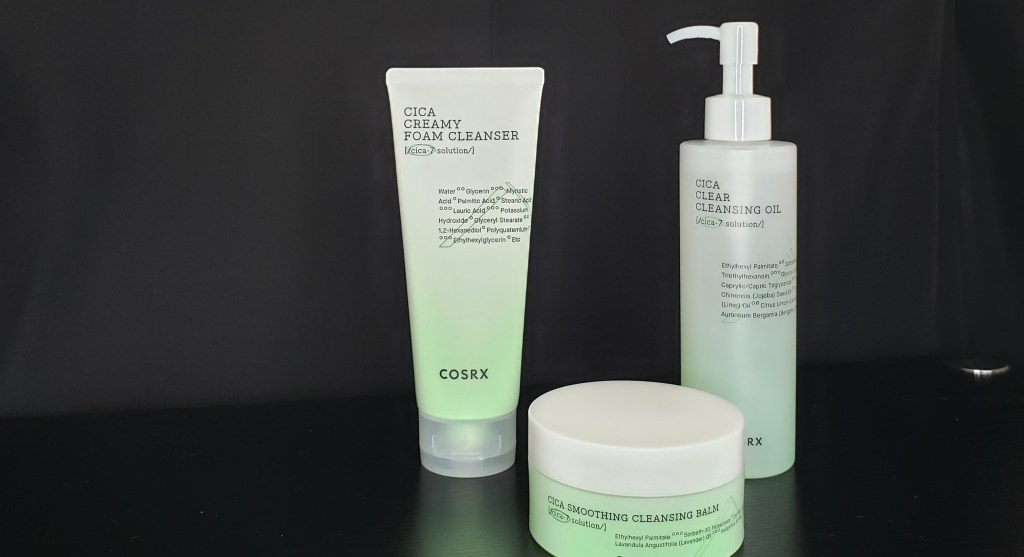


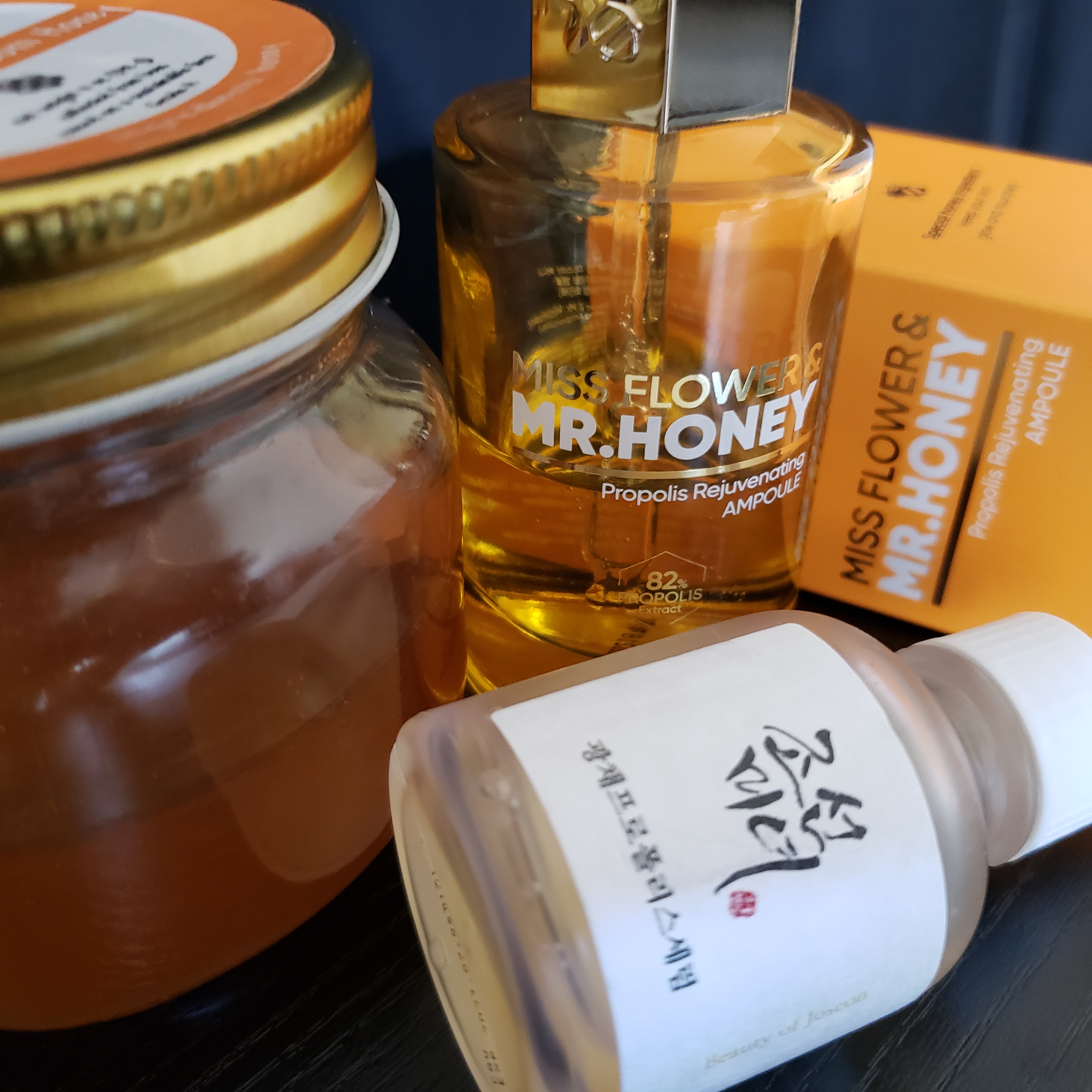
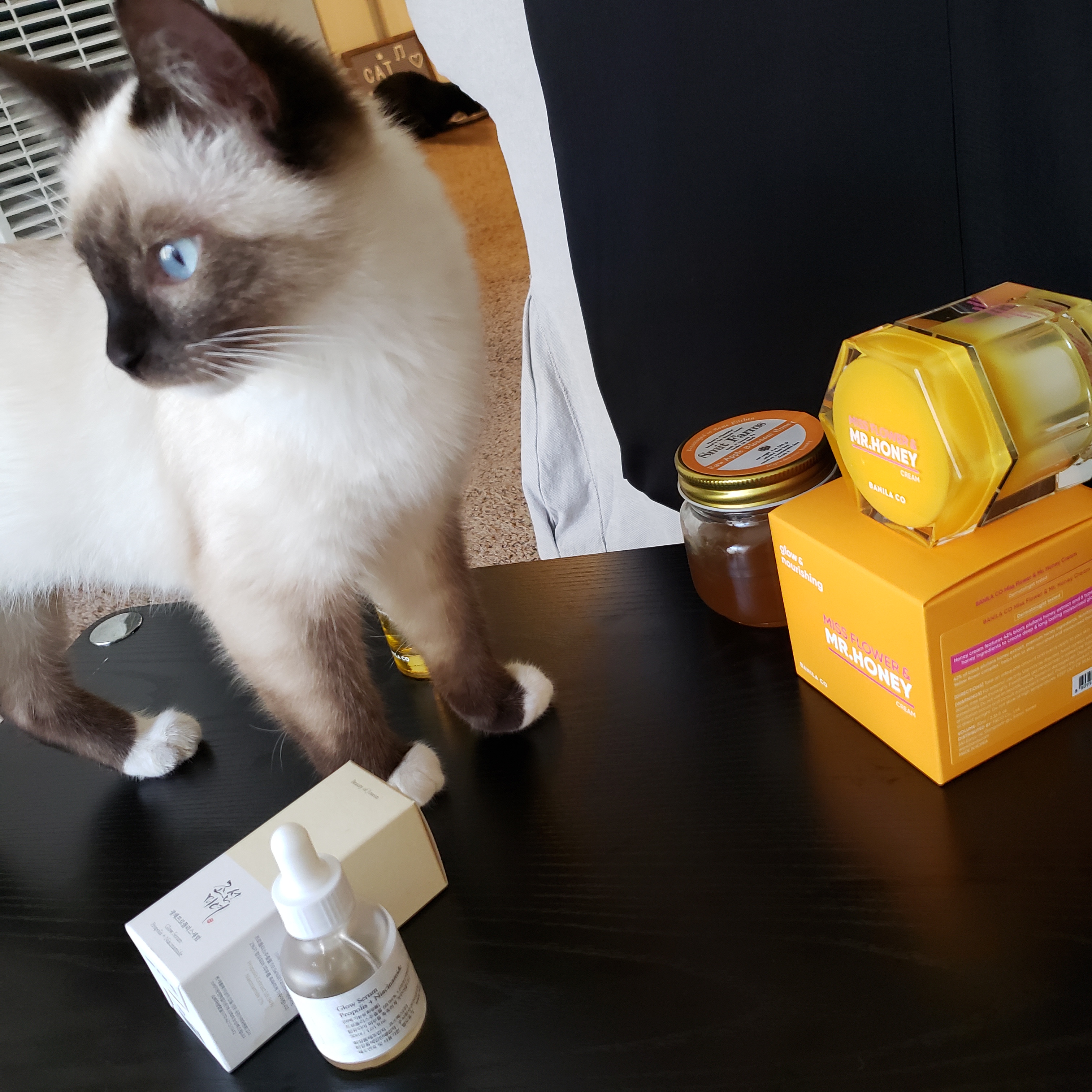
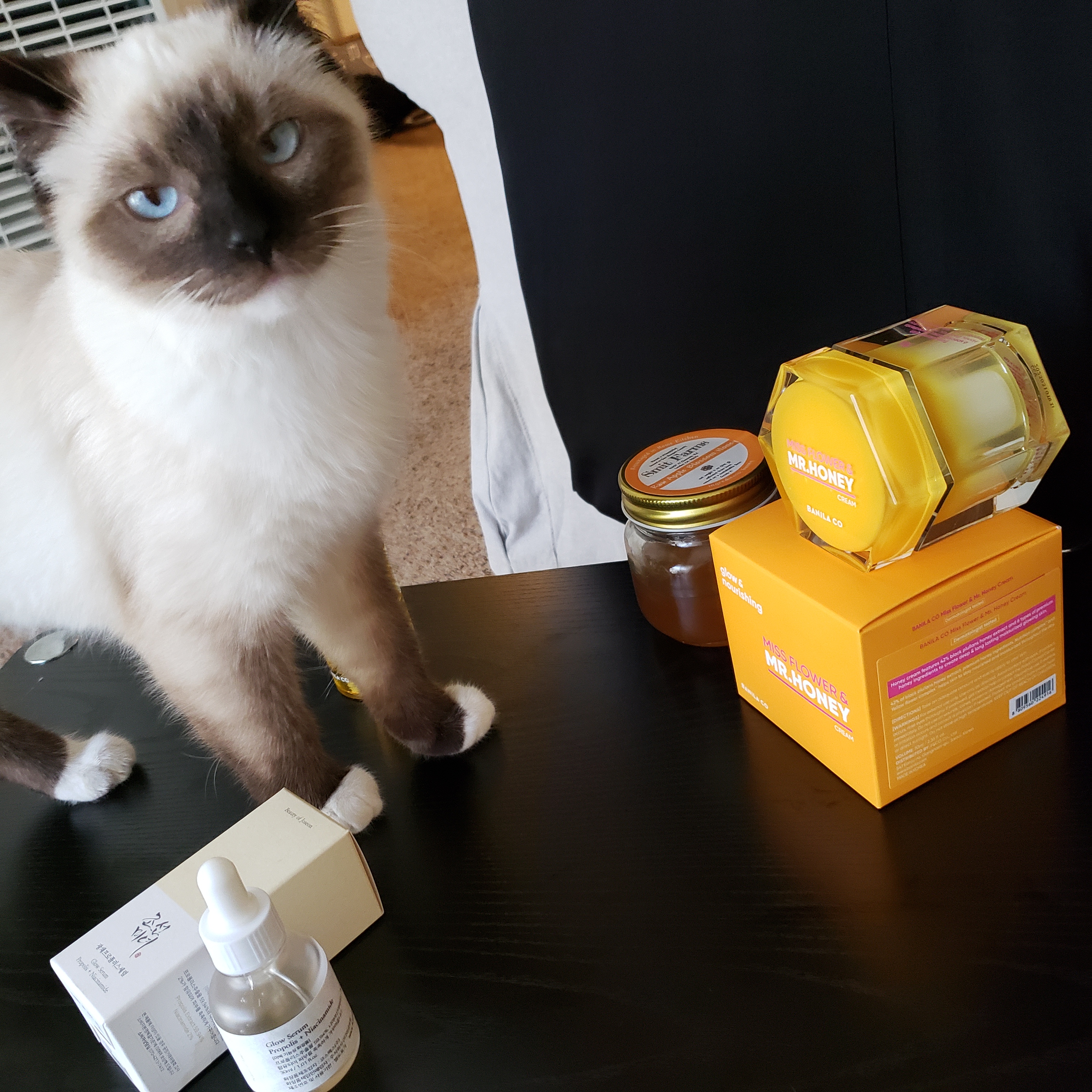
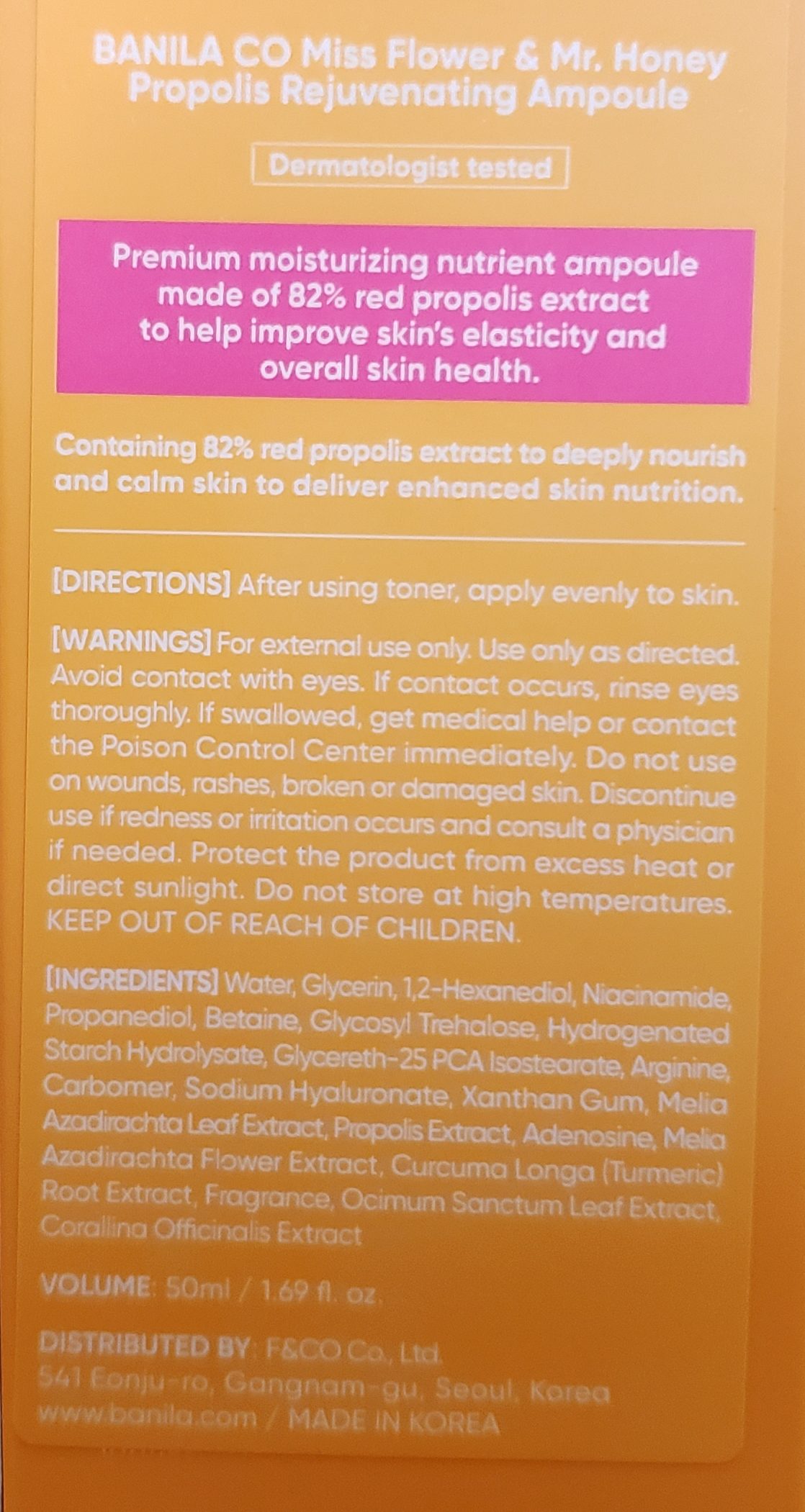


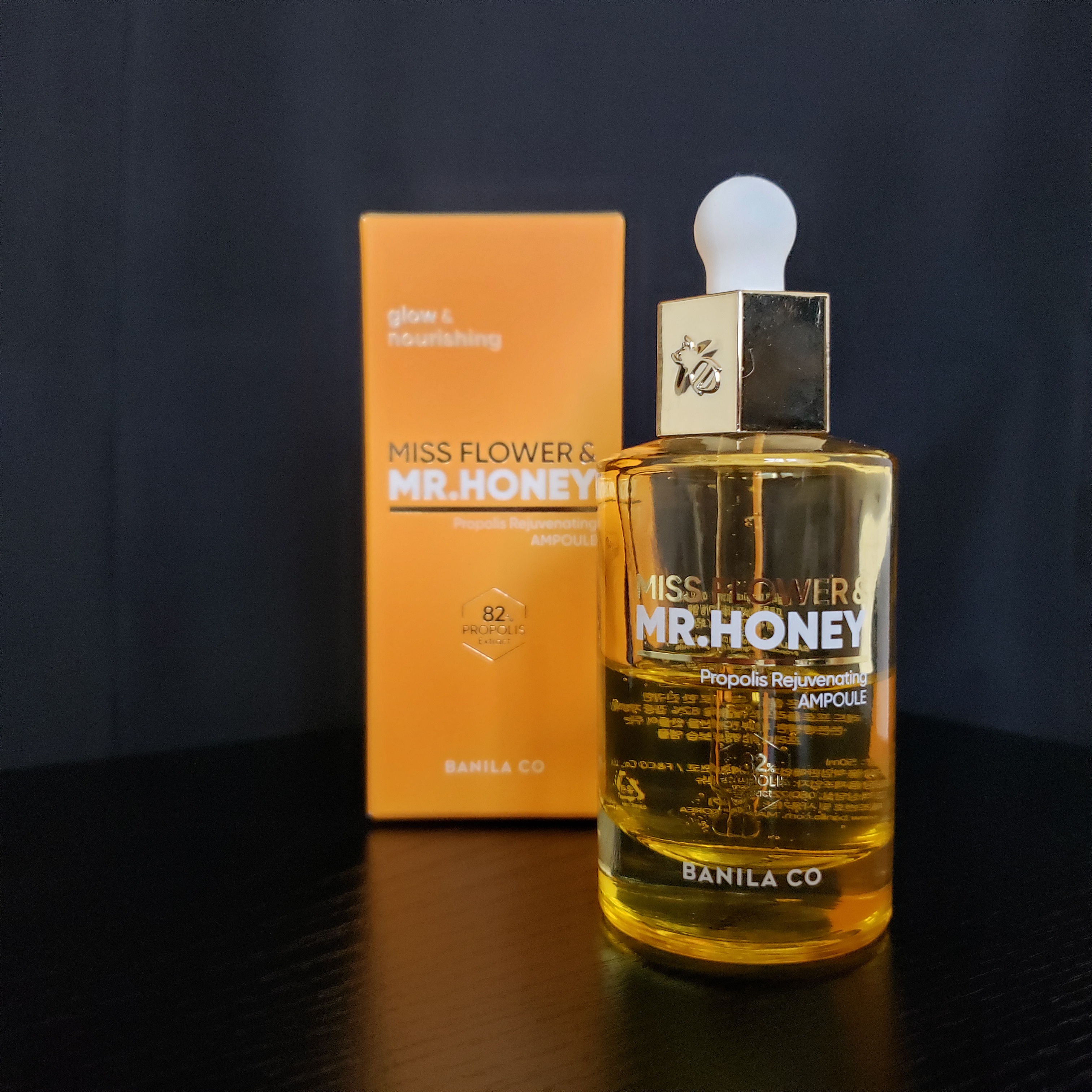
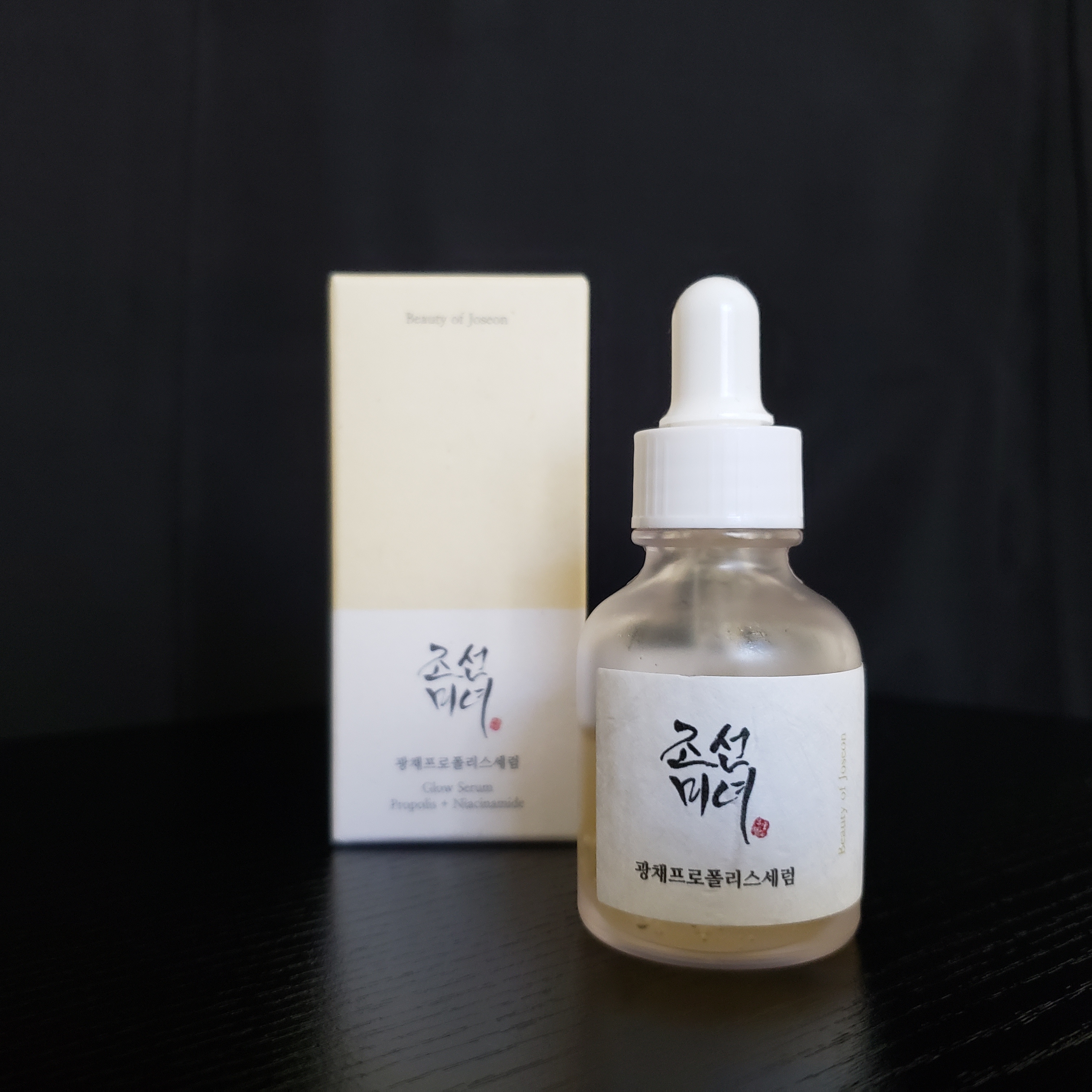
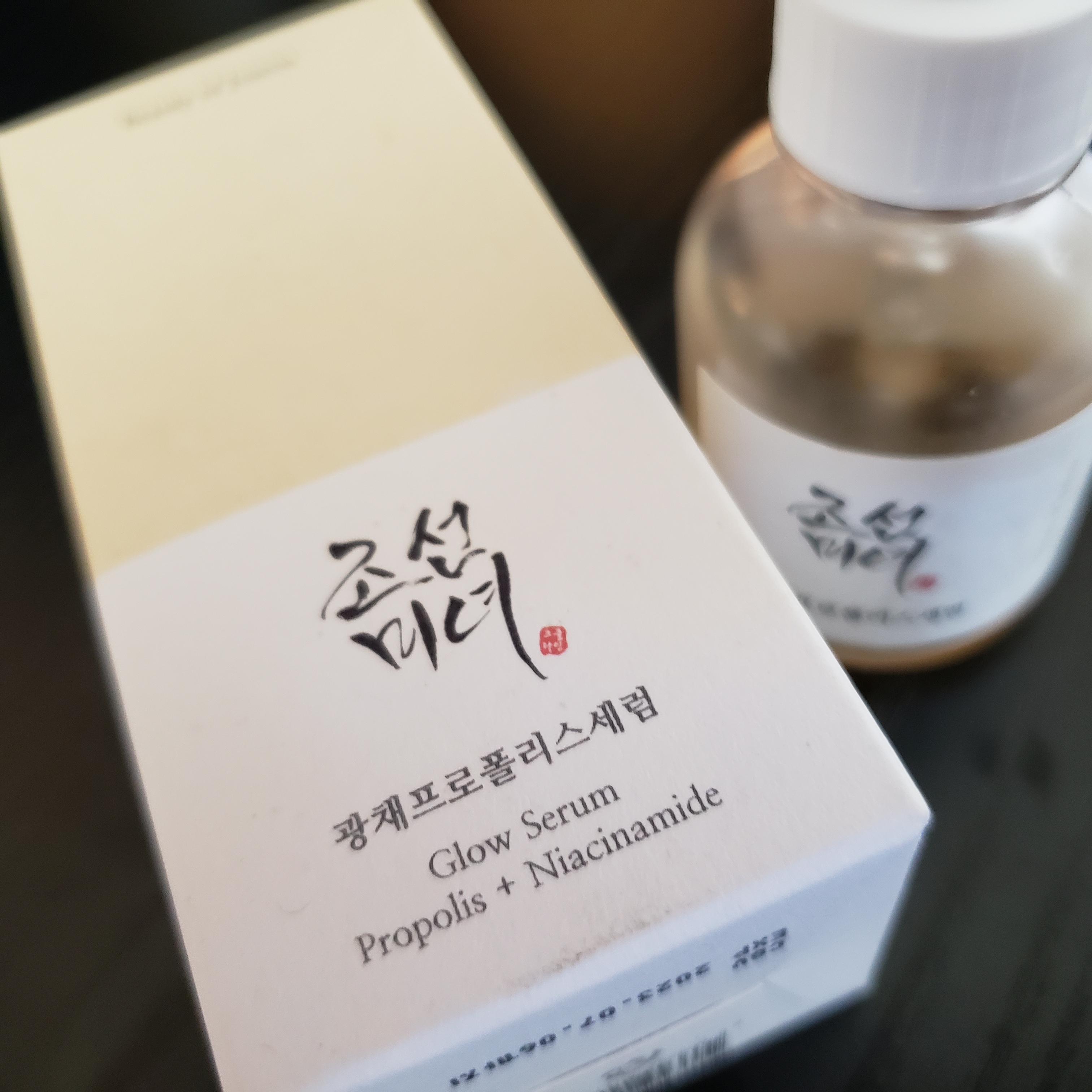

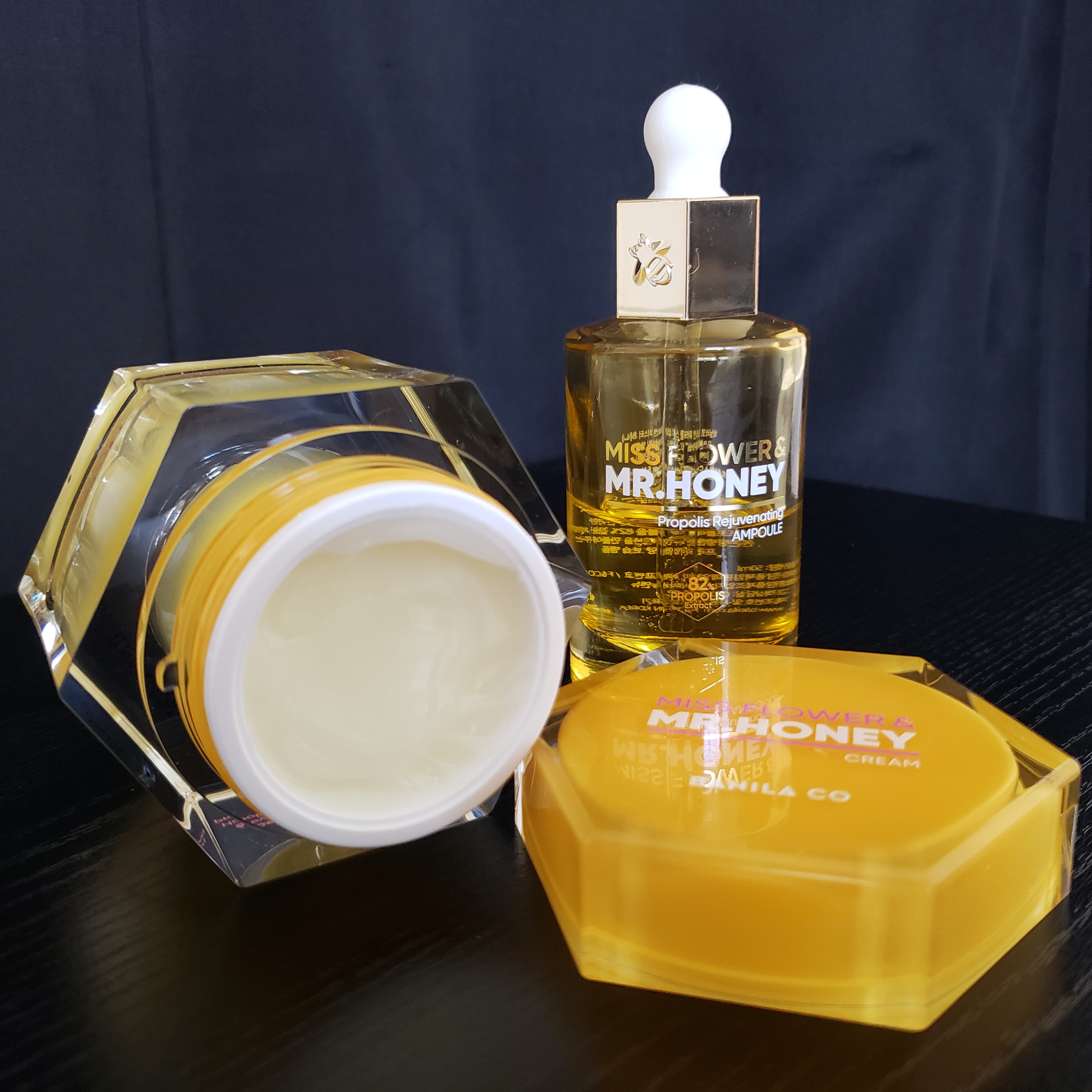
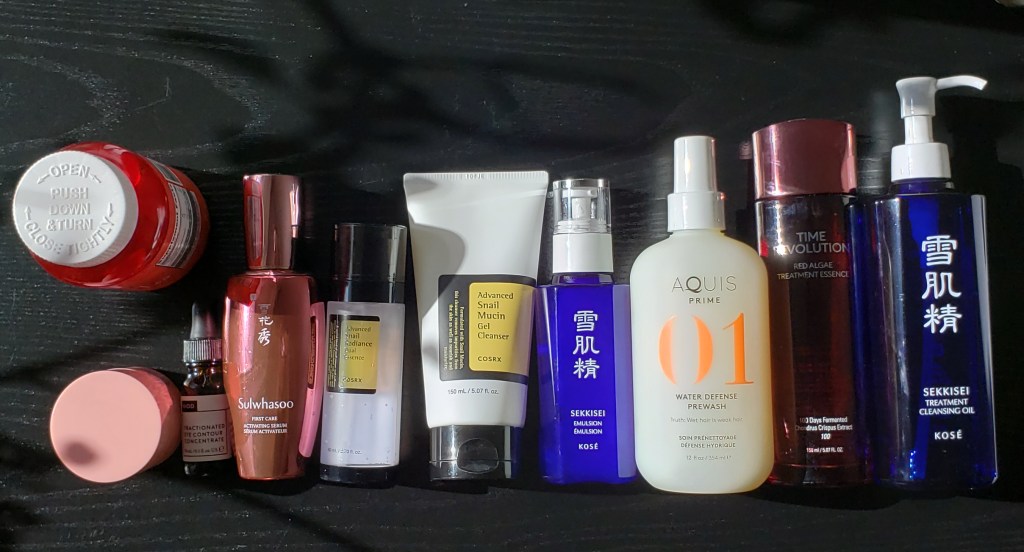
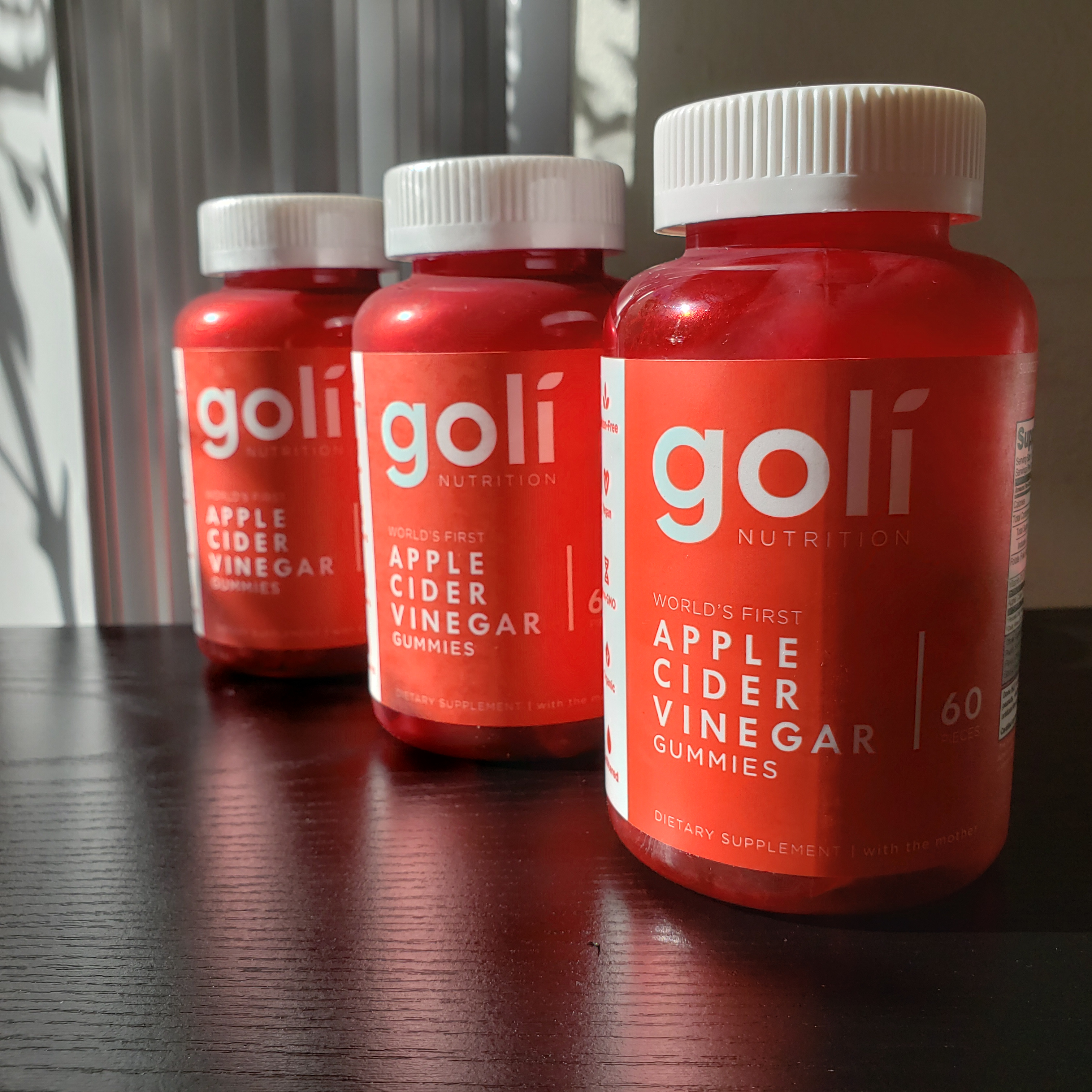

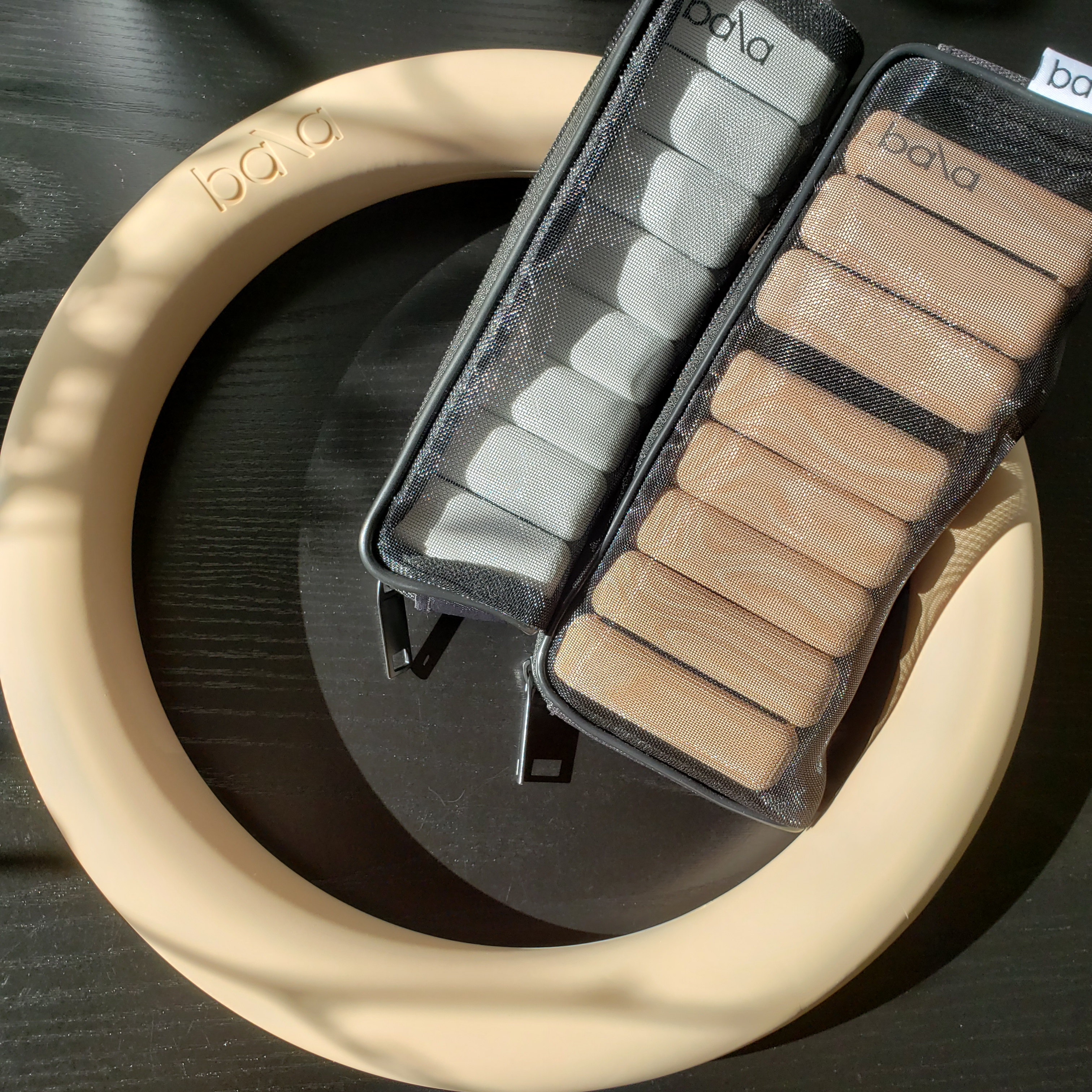
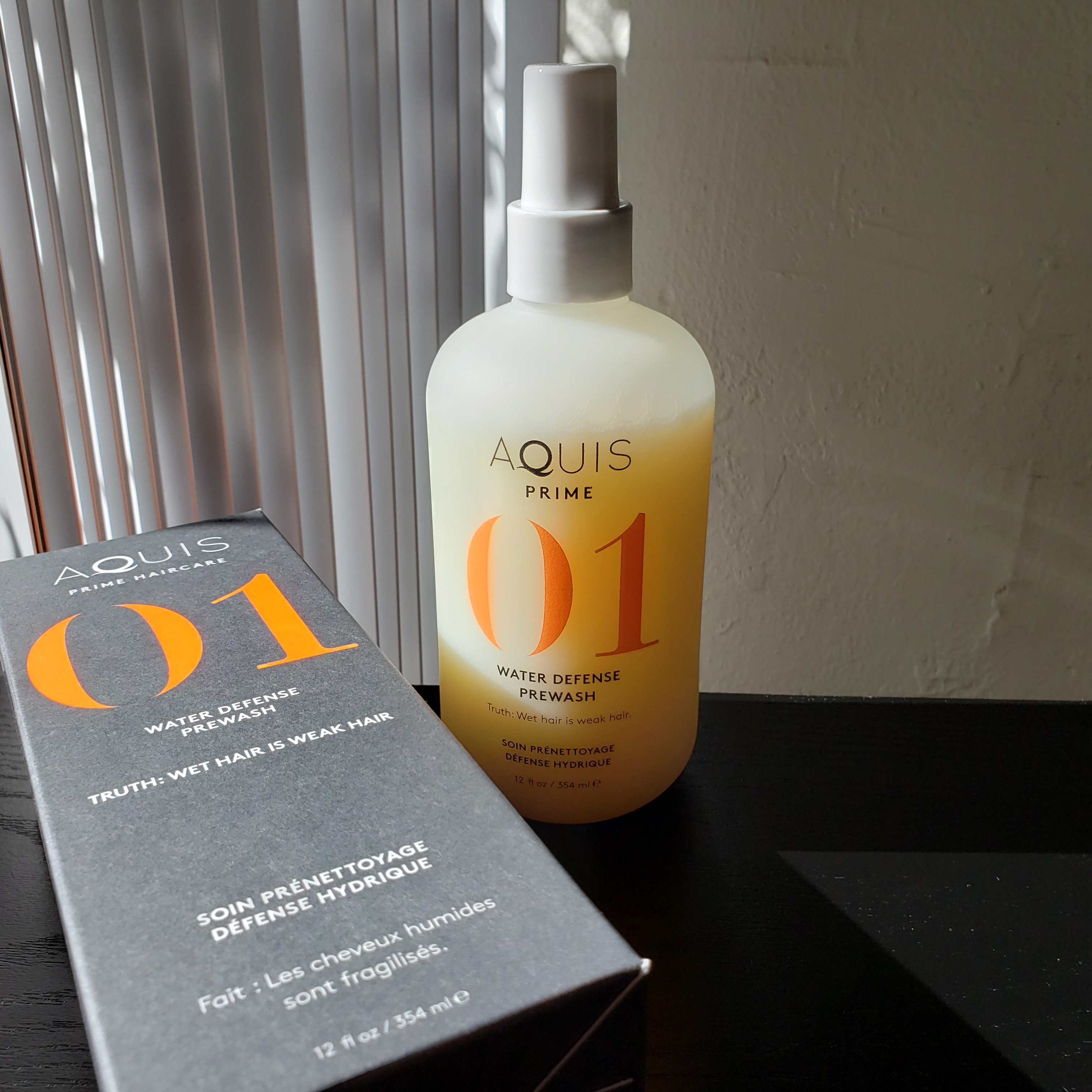
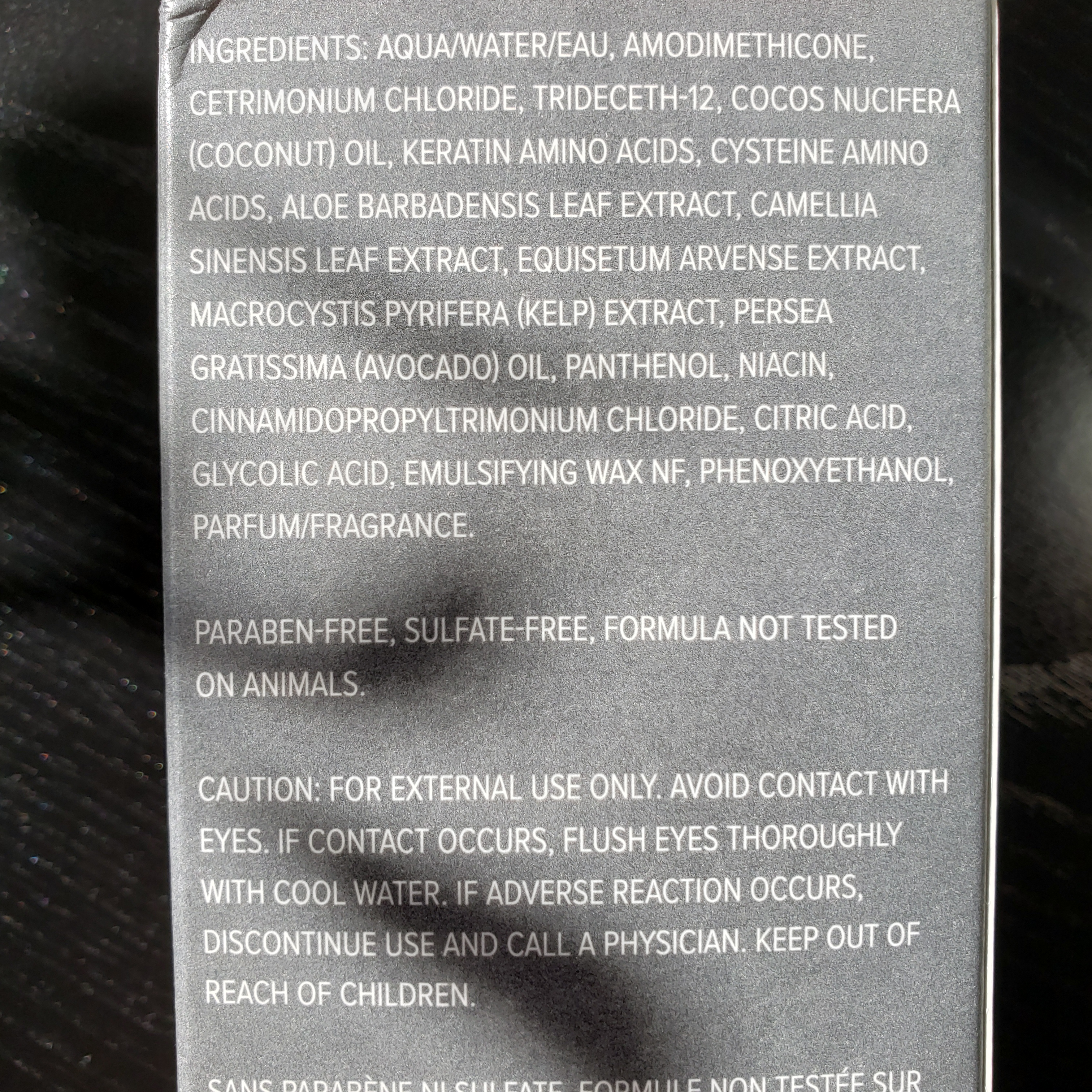


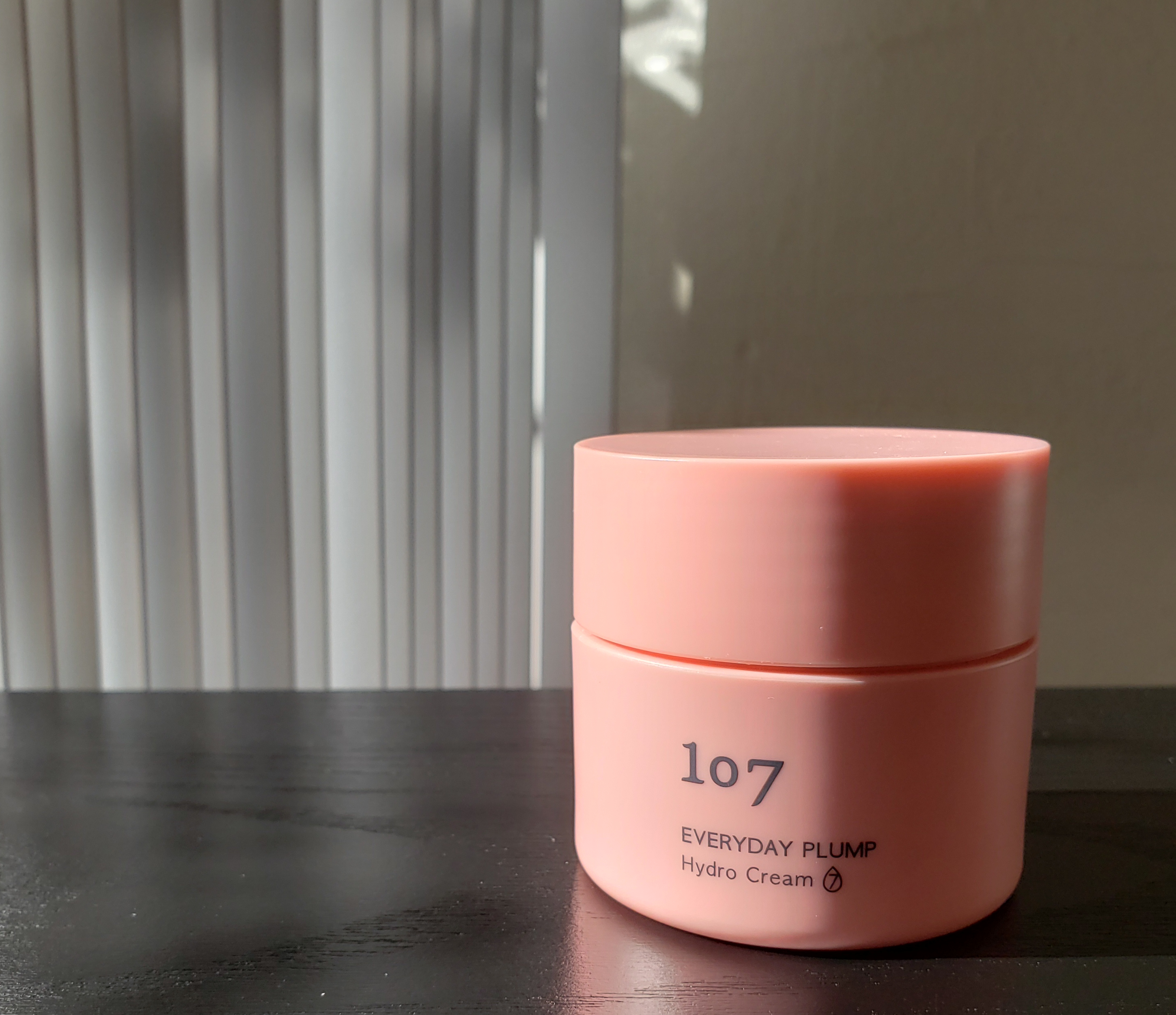
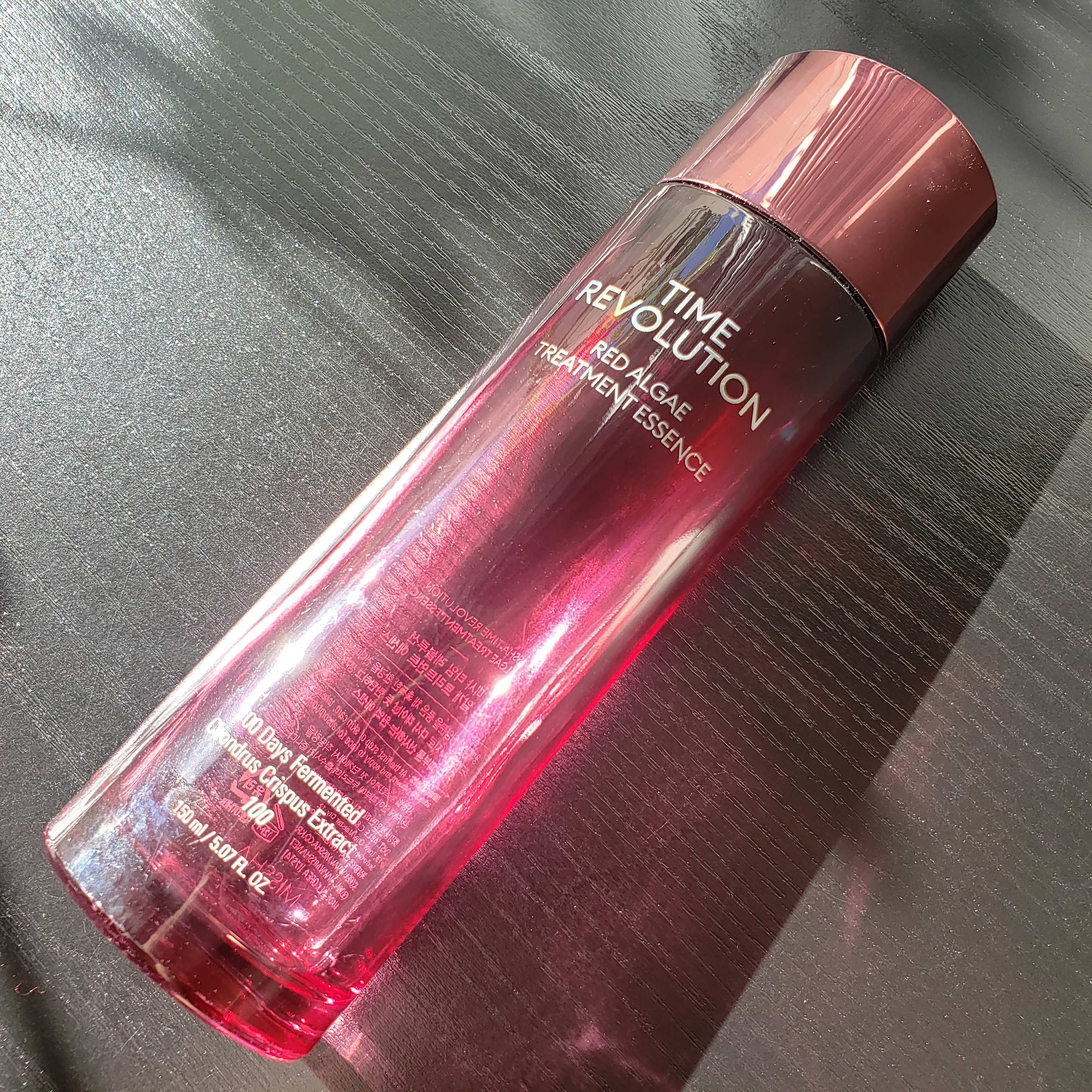


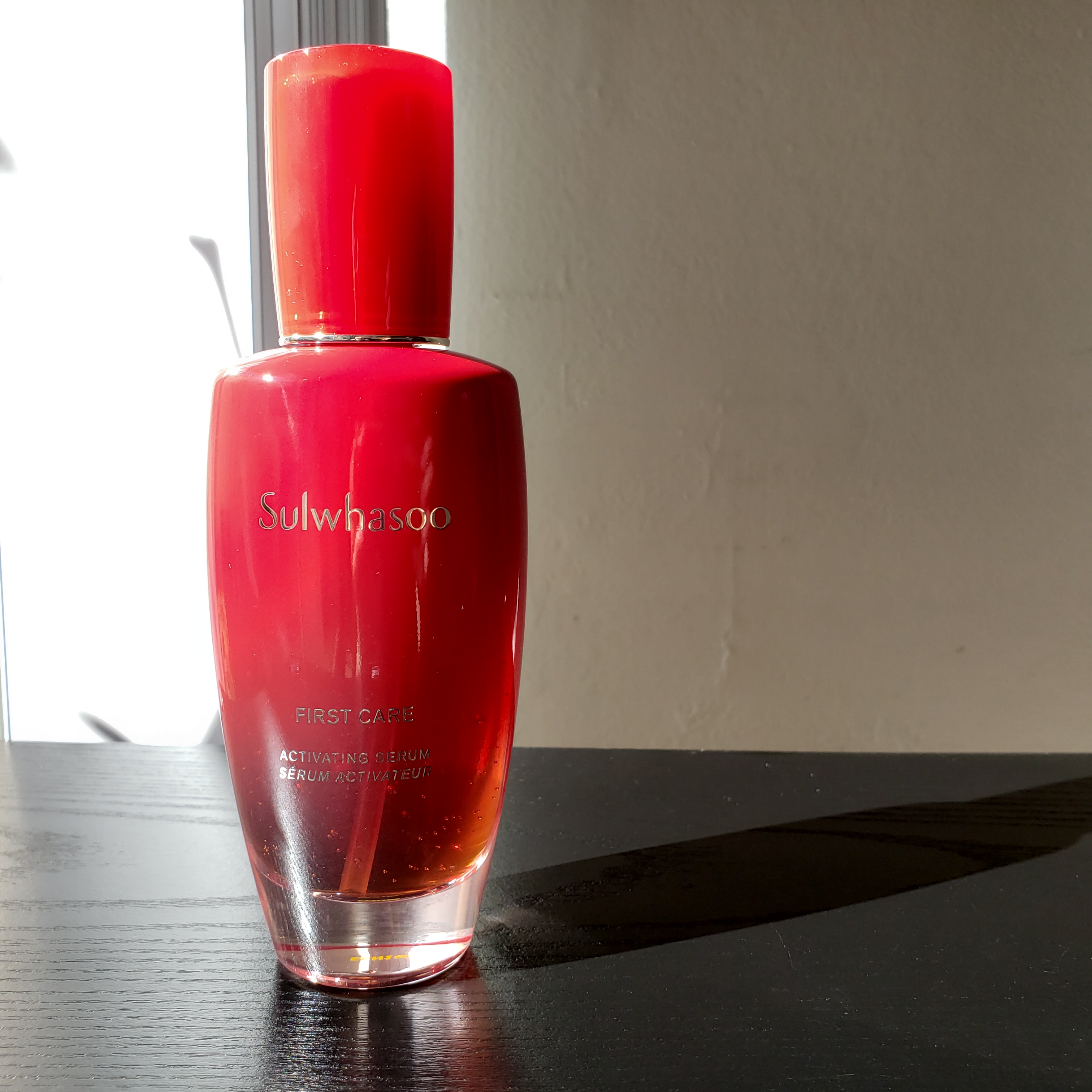

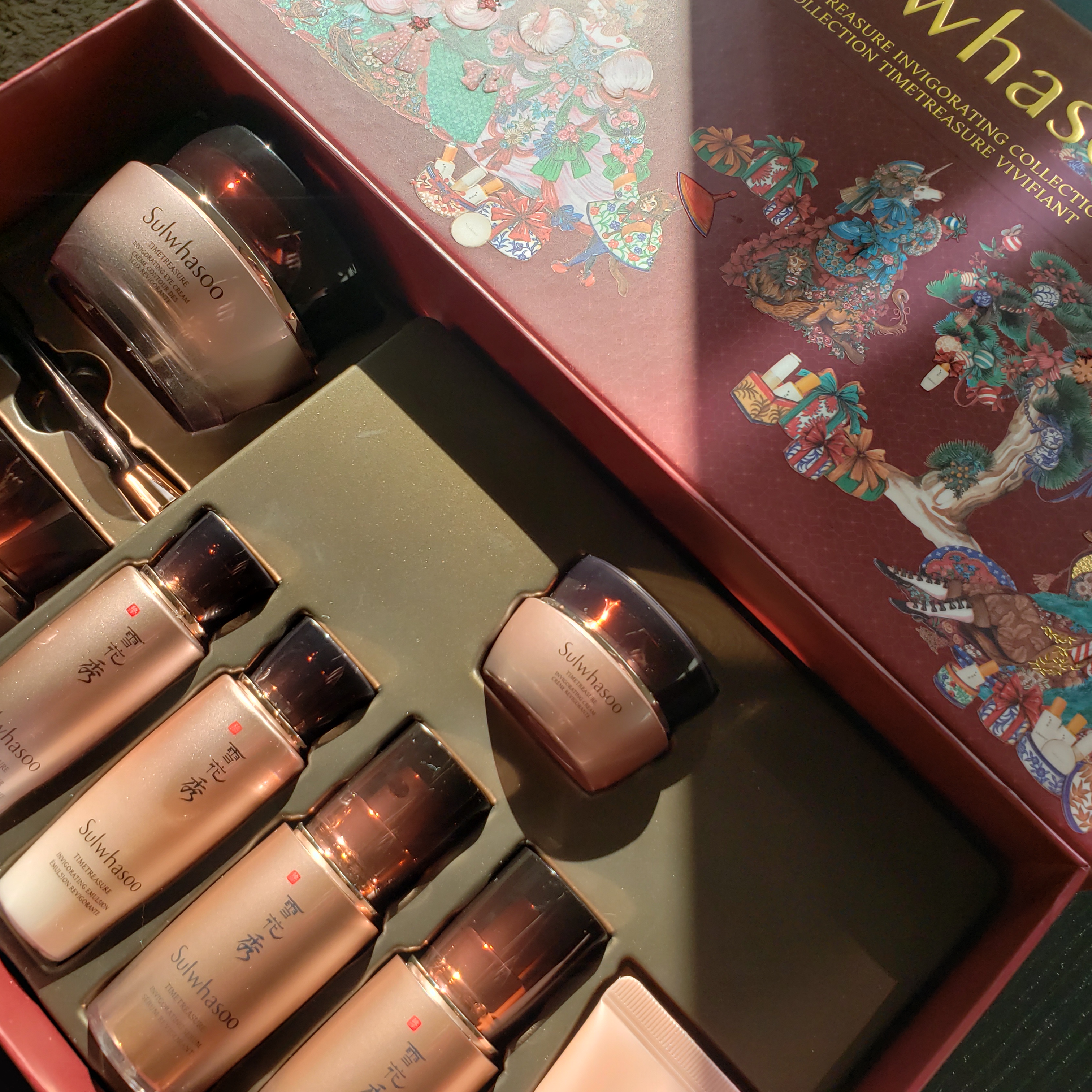

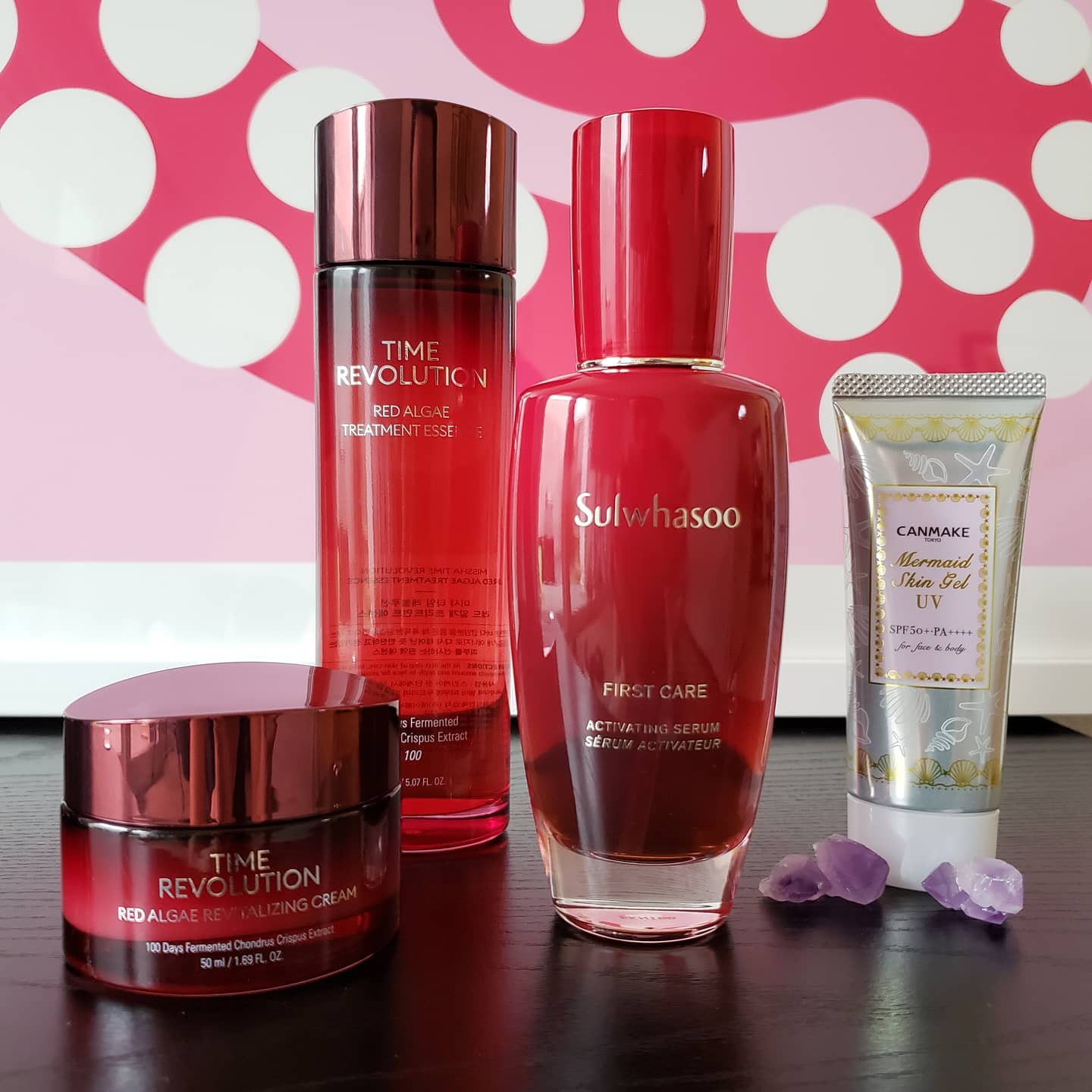


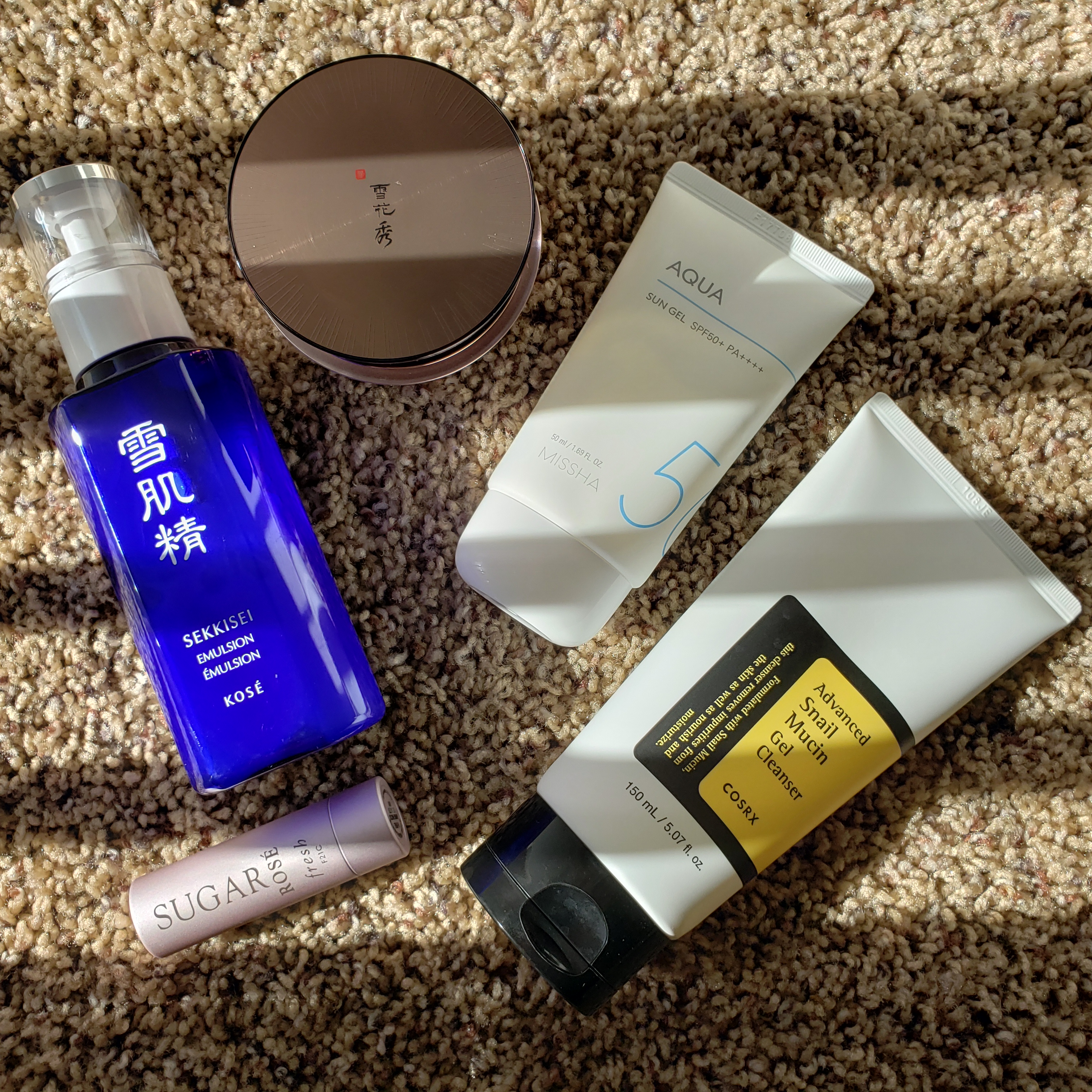
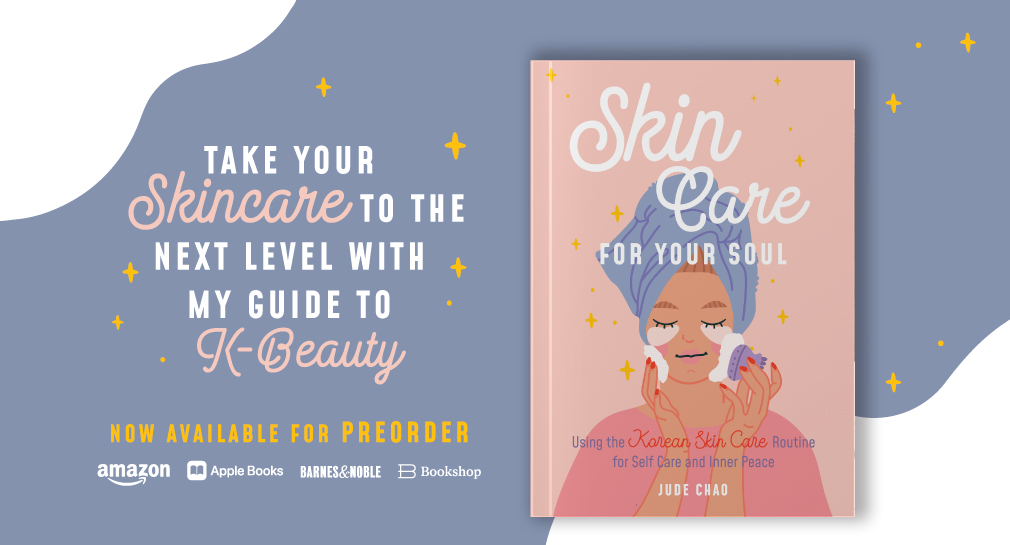


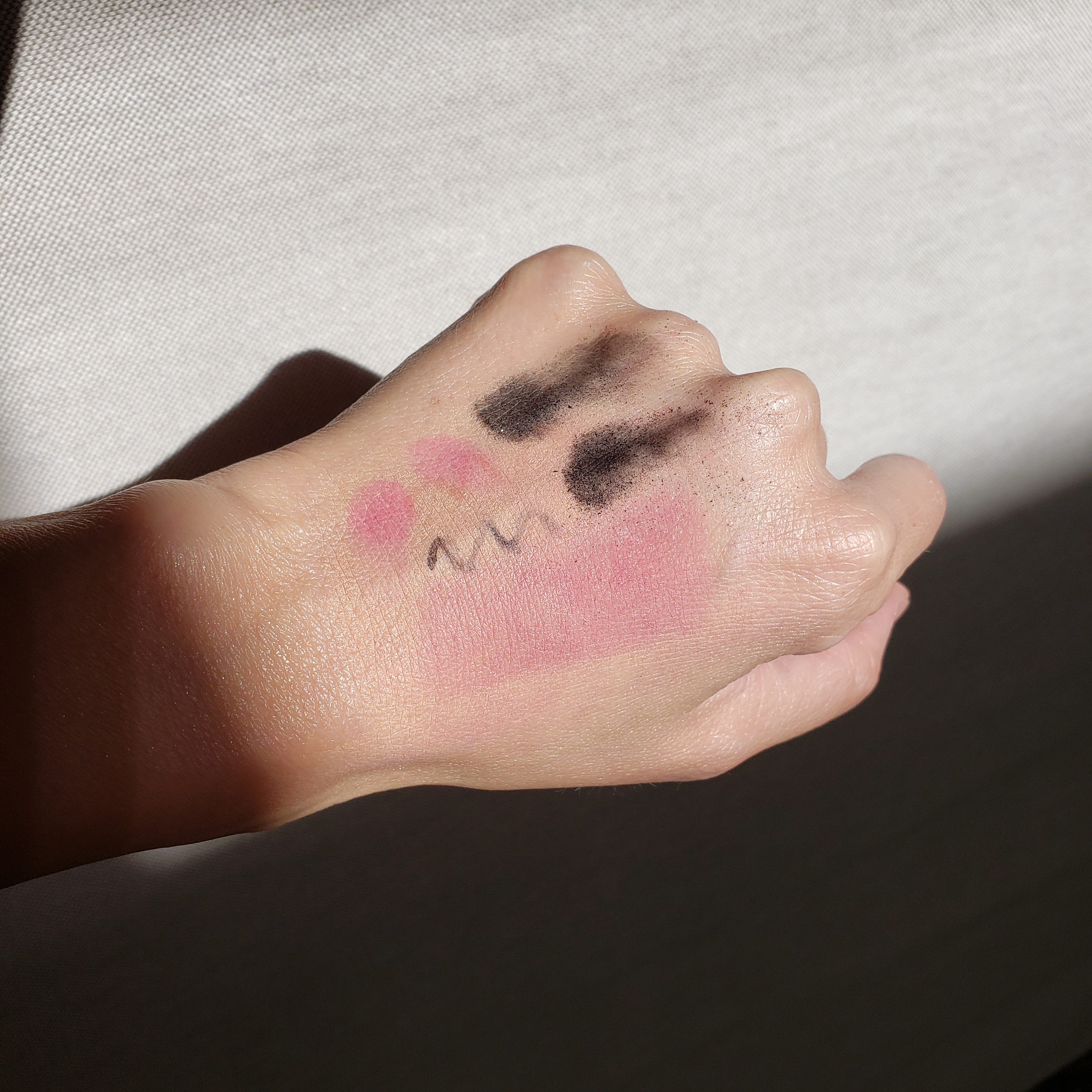







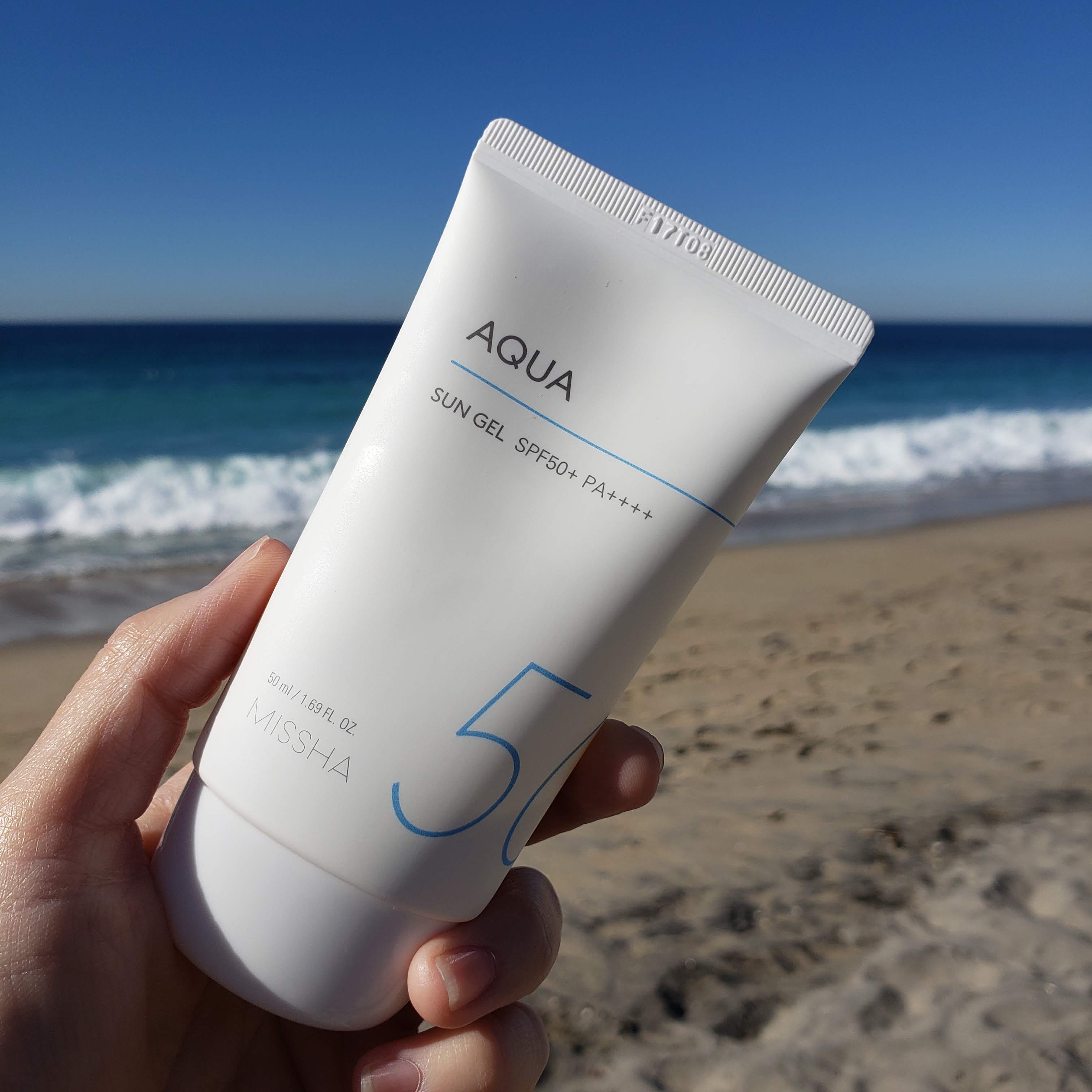
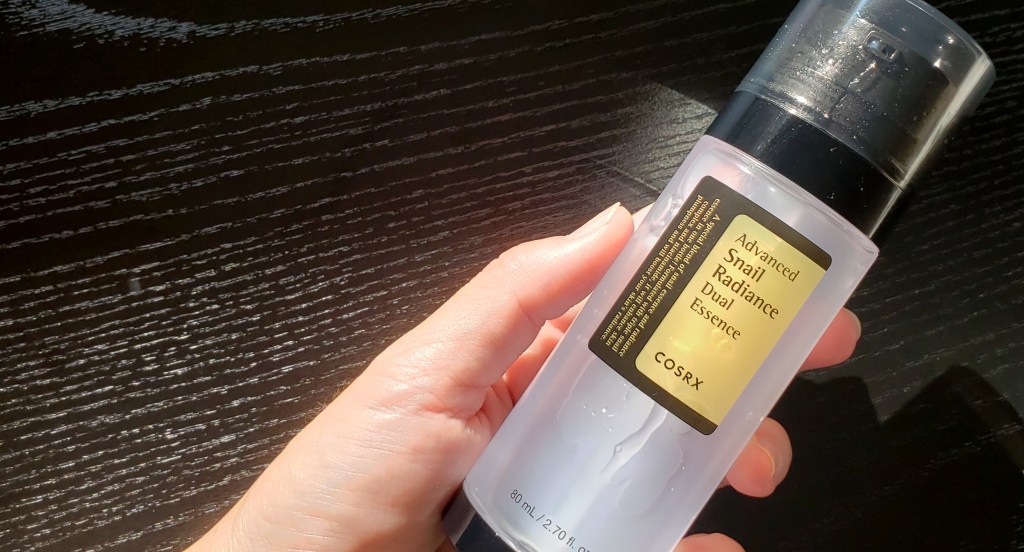


 Fifty Shades of Snail